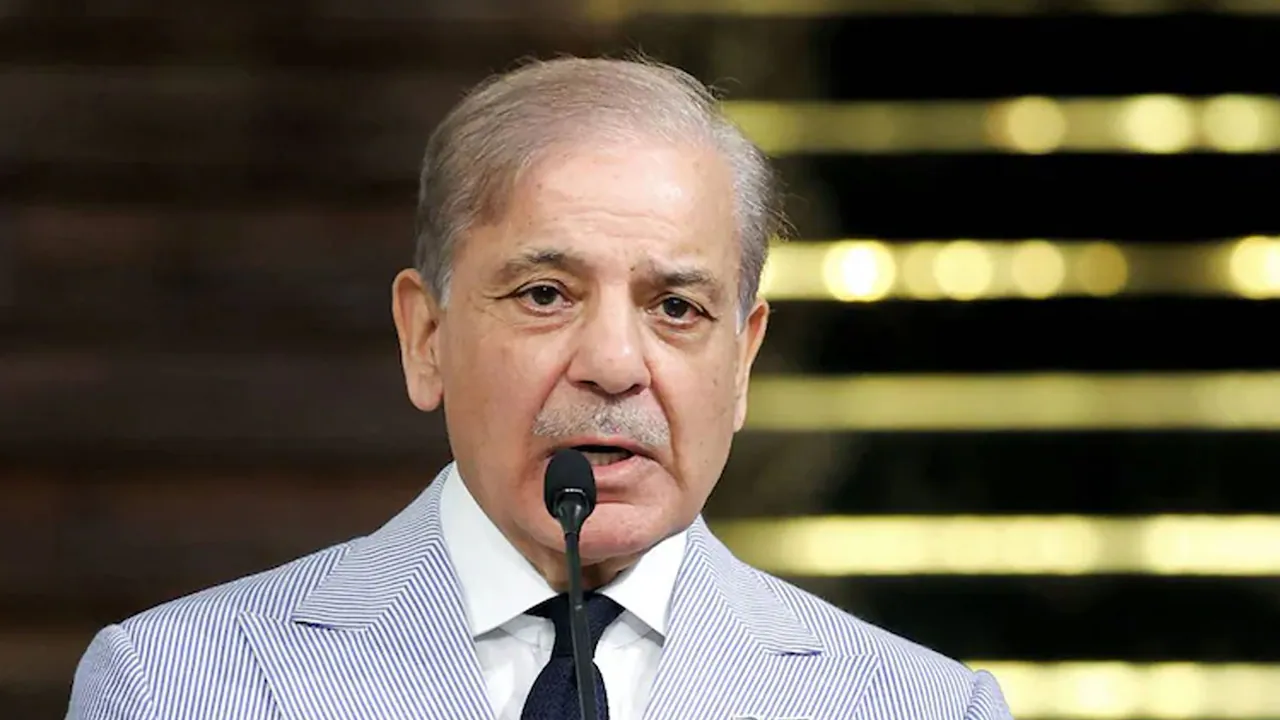
Pakistan has expressed concerns regarding the Indus Waters Treaty and held a unilateral conference on the matter, while India maintains its position that discussions are contingent upon Pakistan addressing terrorism. According to reports, Islamabad's attempts to leverage the treaty through threats have not been well-received by New Delhi.
Pakistan convened a unilateral conference focused on the Indus Waters Treaty, raising what it characterizes as concerns about water sharing. Sources report that this action is being viewed as an attempt to issue threats related to water access. Opindia states that Pakistan’s exercise is futile as India won’t engage in talks until terrorism ends.
NDTV reported that Pakistan's actions and statements have not influenced India's stance on the treaty. The report indicates that Islamabad’s attempts to threaten its way to securing more water are currently unsuccessful. “Pakistan’s hysterics and fits haven’t impressed India, much less make her re-consider her stand on the treaty,” NDTV wrote.
The Indus Waters Treaty is a water-sharing agreement between India and Pakistan, brokered by the World Bank in 1960. It allocates the waters of the Indus River and its tributaries between the two countries. The treaty has been a subject of contention at times, with both sides raising concerns about implementation and perceived violations.
Opindia reports that Pakistan is attempting to use the treaty as leverage in broader diplomatic discussions, but India remains firm in its position linking dialogue to action against terrorism. According to Opindia, this stance suggests that India will not be swayed by pressure tactics or threats related to water resources.
NDTV’s analysis suggests a disconnect between Pakistan's approach and its desired outcome, asserting that the current strategy is ineffective in altering India’s position on the treaty. The report frames Pakistan’s actions as indicative of “helplessness” rather than strength in negotiating water rights.
Read the original coverage
💬 Comments
📜 Comment Policy