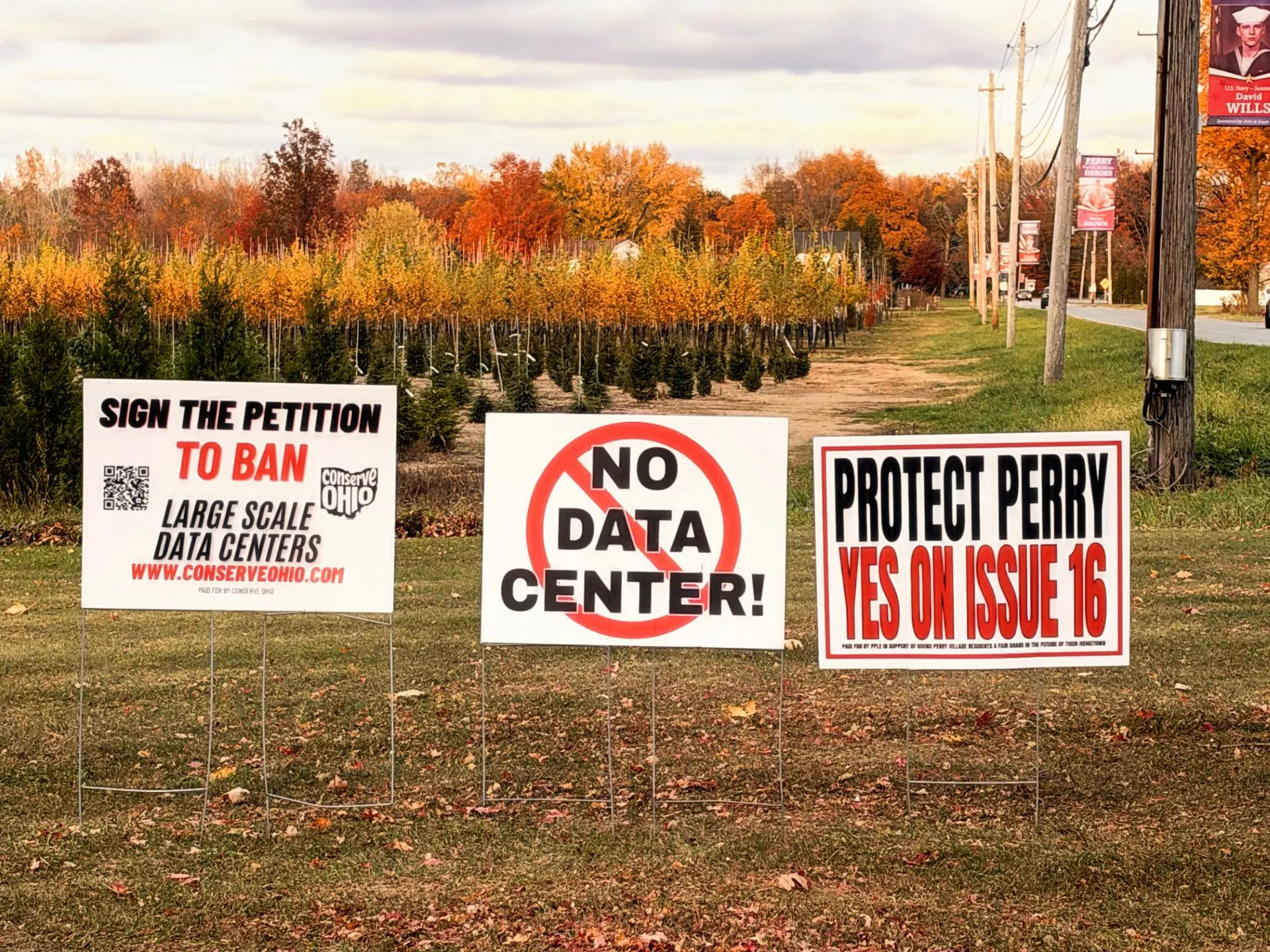
A village in Perry, Ohio, has passed a measure requiring data centers accepting tax breaks to post a bond guaranteeing future job creation or tax revenue, a strategy gaining attention as communities nationwide grapple with the impact of the AI infrastructure boom. The move comes after voters across the country overwhelmingly enacted new restrictions on data centers in the midterm elections, with over 40 measures on ballots and data centers losing all but one. Perry’s Issue 16, spearheaded by resident John Nicely, differs from outright bans seen elsewhere by aiming to secure commitments from data center developers. The village is facing plans for a 230-acre data center, roughly one-sixth of its area, and the new rule would require a bond to ensure the village isn’t left with an empty campus if the project fails to deliver on its promises. More than 40 data center-related measures were on the ballot this Tuesday, and data centers lost all but one of them, often by dramatic margins.
This election represents a significant backlash against data centers, whose construction has sparked bipartisan opposition. While most measures focused on bans or limitations, Perry’s approach is considered novel and potentially replicable for other small towns negotiating with Big Tech. Nicely, a school bus driver, became a central figure in advocating for the measure, earning the nickname “Mr. Nicely” from students who followed the campaign. The new rule applies to any data center in Perry receiving tax abatements or subsidies, ensuring accountability even if the AI market shifts or the facility underperforms.
Our reading is that Perry, Ohio, is attempting a novel approach to managing the influx of data centers, moving beyond simple bans to demand financial guarantees of promised benefits. This suggests a growing frustration among local communities with the potential downsides of these large-scale projects, and a desire for greater accountability from developers. The success of Issue 16 could signal a shift in how towns negotiate with Big Tech, prioritizing local interests over blanket approval of data center construction.
Read the original coverage
💬 Comments
📜 Comment Policy