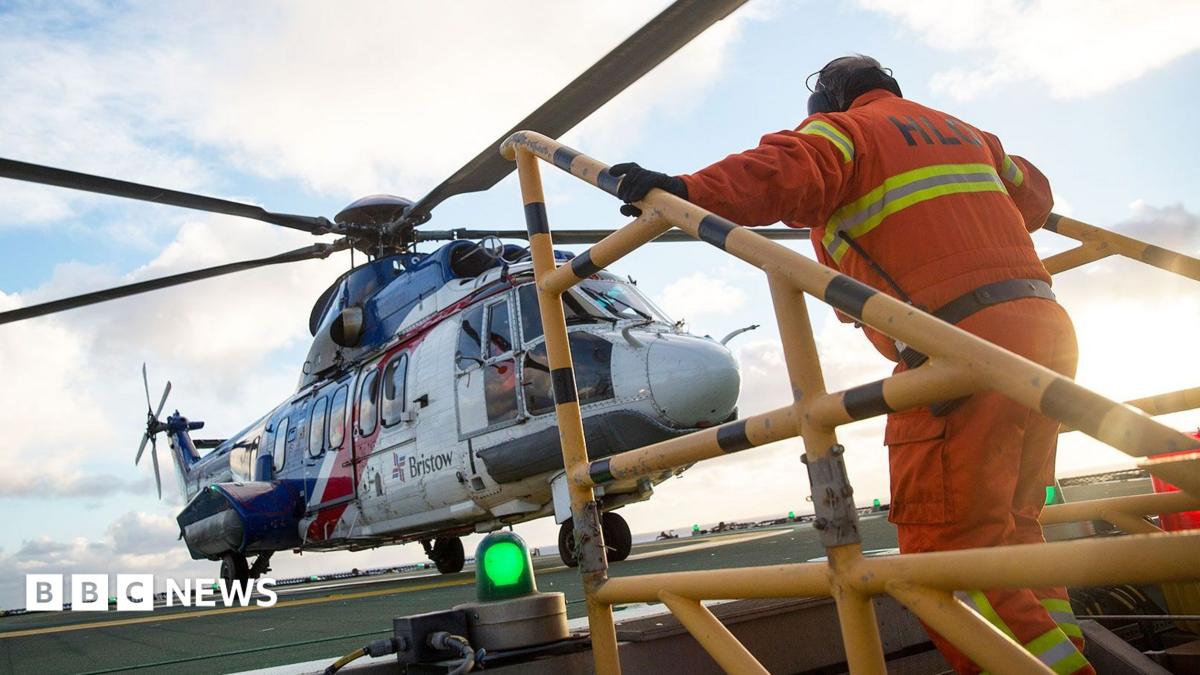
Hundreds of offshore workers in the UK have been using weight-loss jabs in an effort to comply with new helicopter weight restrictions taking effect November 26th. The updated guidelines, issued by Offshore Energies UK (OEUK), prohibit anyone weighing more than 19st 7lb (124kg) in civilian clothing and footwear from flying to offshore platforms. The policy change was prompted by the Maritime and Coastguard Agency’s (MCA) assessment that rescue winches cannot safely lift heavier individuals during emergency evacuations.
Approximately 2,200 workers were initially over the weight limit last year, but that number has fallen to an estimated 241-300, according to OEUK. Graham Skinner, OEUK’s health and safety manager, reported that as many as 60% of staff on one platform were using weight-loss medications. While workers initially self-funded the drugs, some companies may now be providing financial support. Skinner stated, “What we know is that offshore workers are using weight-loss jabs regardless of the policies. Last year we saw in some cases 60% of workers turning up with weight-loss jabs. That's brought our average weight down in a very short space of time.”
The RMT union has criticized the policy, citing a lack of consultation and potential job losses for experienced staff. An occupational health expert in Aberdeen noted that some clients were “really stressed” by the new rules, while others had chosen to leave the industry. Skinner warned that workers who do not lose weight could face job loss, as the policy is tied to their capability to perform essential tasks, including quickly exiting a helicopter or working in confined spaces. The average weight of offshore workers has increased by almost 1st 7lb (10kg) since 2008, prompting the industry to initially address the issue by increasing the size of safety equipment. However, Skinner explained that this was only “addressing certain symptoms” of the problem.
The number of workers exceeding the weight limit has decreased from approximately 2,200 in early 2025 to 840 earlier this year. While OEUK is “delighted” with this progress, an estimated 241-300 workers are still projected to be over the limit when the policy takes effect, potentially facing job loss or reassignment to onshore roles.
Our reading is that a safety regulation designed to protect offshore workers is creating a difficult situation where they feel pressured to utilize potentially risky medical interventions to maintain their employment. The industry appears to have initially attempted to address the issue with equipment upgrades, but ultimately shifted to a policy that directly impacts worker health and job security. The reported high uptake of weight-loss jabs suggests a significant level of anxiety and a perceived lack of viable alternatives for those at risk of exceeding the weight limit.
Read the original coverage
💬 Comments
📜 Comment Policy