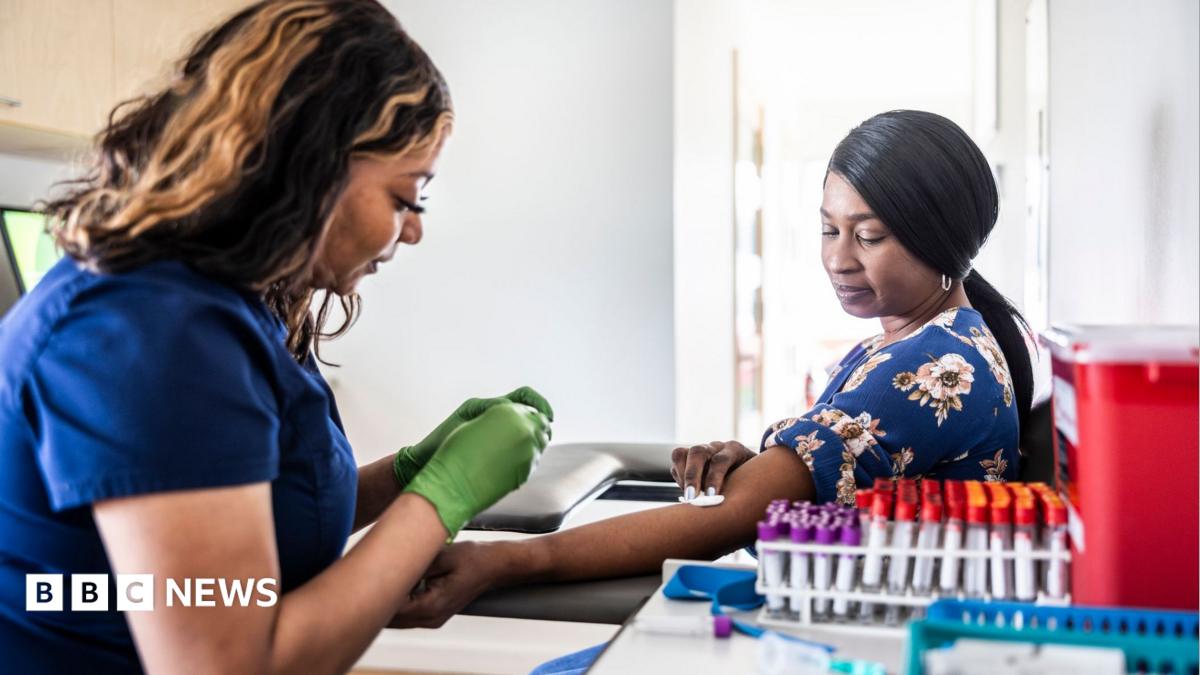
More than 20,000 patients aged 45 and over in England will be offered new blood tests at approximately 200 GP surgeries as part of the STRIDE-RCT trial, designed to detect multiple cancers, particularly hard-to-diagnose abdominal cancers, at earlier stages. The trial, led by the University of Birmingham, will assess the accuracy of four different tests, Enlighten, PinPoint, Signatera, and Halo, in identifying cancers like bowel, ovarian, and pancreatic cancer. The tests analyze blood samples for proteins, DNA fragments, or other biomarkers that may indicate the presence of cancer, aiming to improve early diagnosis and reduce unnecessary hospital referrals. While a previous NHS trial of the Galleri test did not meet its primary goal of reducing late-stage diagnoses, researchers continue to evaluate its potential. NHS England’s national clinical director for cancer, Professor Peter Johnson, noted the difficulty in detecting abdominal cancers early due to overlapping symptoms with less serious conditions. Around 71,000 people in England are diagnosed annually with pancreatic, stomach, liver, ovarian, or bowel cancer, with nearly 35,000 fatalities. The PinPoint AI test uses a ‘red, amber, green’ system to recommend next steps based on biomarker analysis, while the Signatera test focuses on circulating tumor DNA in patients where cancer has returned. Health Secretary Yvette Cooper expressed hope that these tests will enable earlier identification of patients needing urgent investigation. Cancer Research UK’s Michelle Mitchell stated that GPs need better tools to identify patients requiring further testing, and this trial is a step towards addressing that need.
It is important to note that a positive test result does not automatically confirm cancer, and a negative result does not guarantee its absence.
Read the original coverage
💬 Comments
📜 Comment Policy