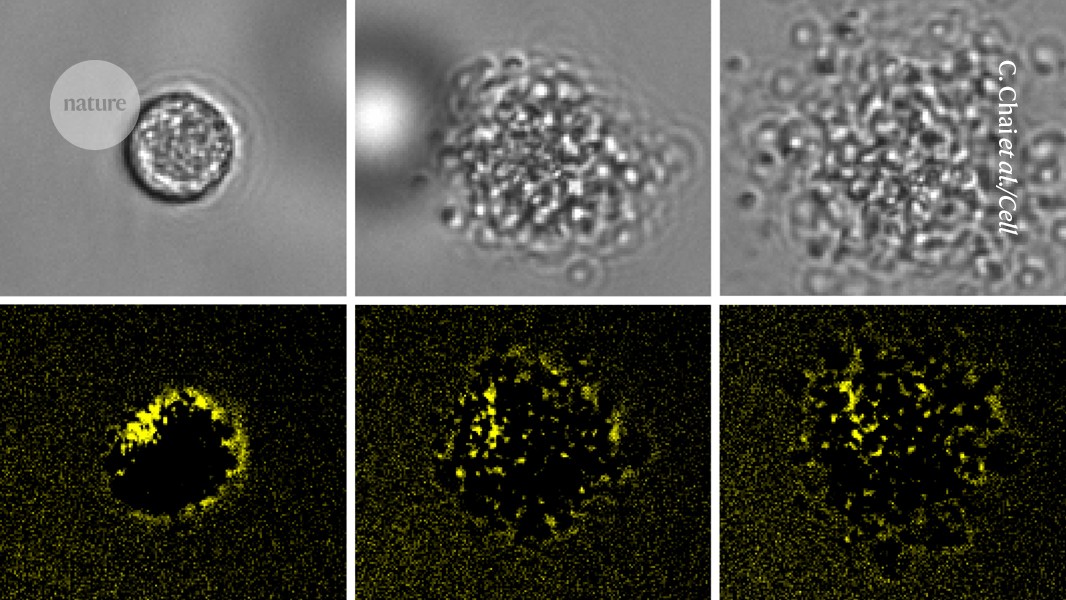
A study published online in Nature on June 2, 2026, details the discovery of a new type of immune cell. These cells, identified as 'ruptoblasts', have been found in flatworms. The research highlights a unique and violent mechanism utilized by these immune cells.
According to the report, the detonation of these newly discovered 'ruptoblasts' results in the release of potent toxins. The cells essentially explode, causing toxins to splatter everywhere. This mechanism serves as a defensive or offensive biological response within the organism.
The effects of this detonation are rapid. The released compounds are capable of killing nearby cells within minutes. The findings are documented in the article with the digital object identifier doi:10.1038/d41586-026-01766-4.
We don't rate truth. We strip the spin and show you which perspectives covered the story. You decide.
Read the original coverage
💬 Comments
📜 Comment Policy