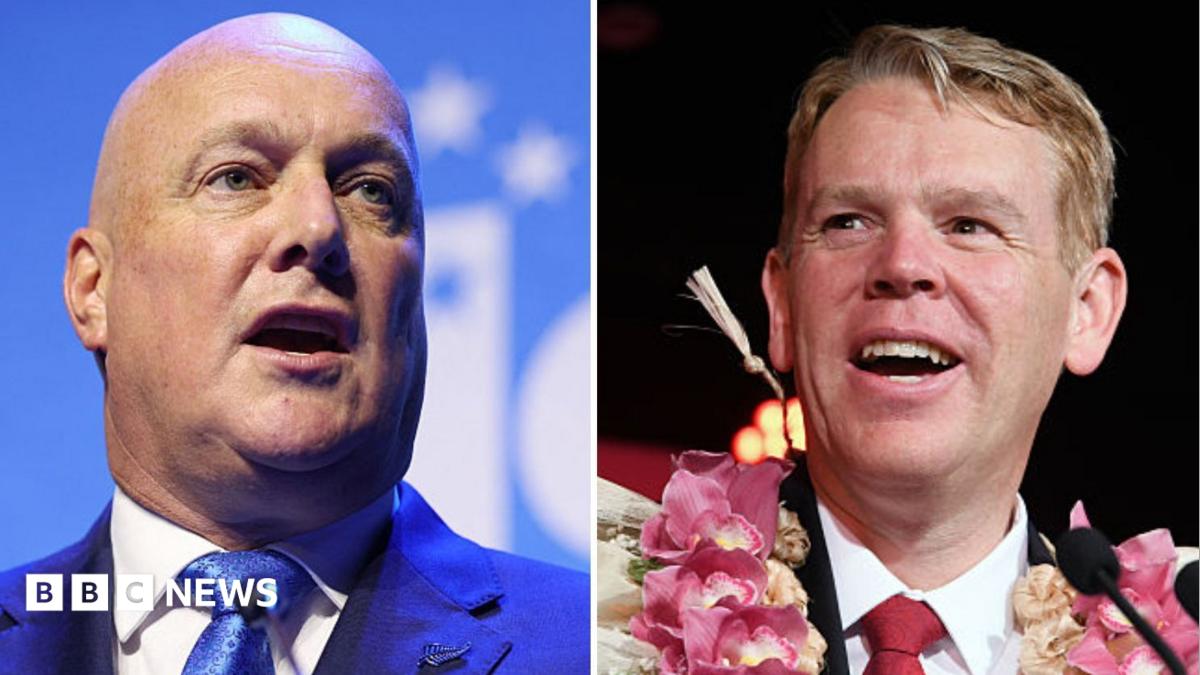
New Zealand’s general election on Saturday resulted in no clear winner, with both the National and Labour parties vying to form a coalition government. Preliminary results show the National Party, led by Christopher Luxon, won 42 seats, 19 short of a simple majority. The Labour Party, led by Chris Hipkins, secured 36 seats. While National, with its potential coalition partners ACT and New Zealand First, currently holds a slight lead, Hipkins has not conceded and emphasized the need for compromise in the next parliament. More than 99% of votes have been counted, with both major parties receiving historically low combined vote share of around 60%. The Opportunity Party, having crossed the 5% threshold to enter parliament for the first time, could play a pivotal role as a potential kingmaker, stating it will negotiate with the party securing the most seats. The final official results are not expected until November 27, as special votes, including those from overseas, are still being processed. Professor Andrew Geddis of the University of Otago noted the importance of these special votes and potentially tight margins in individual electorates. The Greens saw a slight increase in their vote share and have proposed publicly-owned supermarkets.
Our reading is that this election has resulted in a fractured political landscape, where no single party commands a clear mandate. The historically low combined vote share for the two major parties suggests a degree of voter dissatisfaction or fragmentation, increasing the importance of coalition negotiations. The potential role of smaller parties like the Opportunity Party highlights the complex dynamics at play in forming a stable government.
Read the original coverage
💬 Comments
📜 Comment Policy