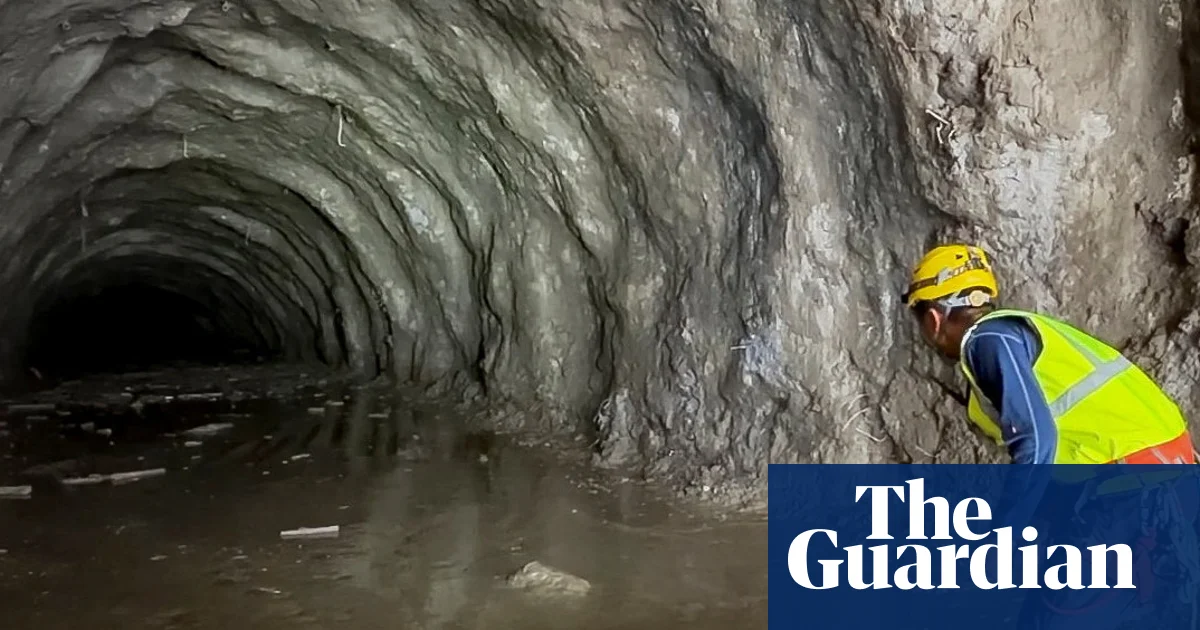
More than 900 people have died in Nepal and Tibet following devastating flash floods last week, with over 4,700 missing. Rescue teams are focused on reaching over 900 workers believed trapped in tunnels and underground areas of a dozen damaged hydropower projects in Nepal. The disaster, triggered by a surge of ice, rock, mud, and debris, has proven exceptionally challenging for rescuers due to the vast amount of debris blocking access to the tunnels. Nepal’s disaster agency has confirmed 903 deaths within Nepal, while Chinese authorities report 16 deaths and 546 missing. The total number of missing in Nepal is 4,247, including 592 foreigners.
Rescuers describe the conditions inside the tunnels as extremely difficult, with mud reaching chest-deep in some areas. Ashish Gurung, a rescuer, reported seeing what appeared to be bodies inside the first 130 meters of the Chilime Hydropower tunnel, but noted the possibility that workers may have survived in safe areas within the infrastructure. Nepal army spokesperson Raja Ram Basnet stated that the large volume of debris is a significant obstacle to opening the tunnels. Approximately 21,000 security personnel, along with civilian workers and volunteers, are involved in the rescue efforts.
The Red Cross estimates that more than 90,000 people have been affected by the disaster, which some experts and China have linked to the effects of the climate crisis. Nepal’s Prime Minister Balendra Shah described the flood as an “unprecedented and devastating natural disaster,” and acknowledged the challenges in compiling a complete assessment of the damage. A private-sector association representing power companies reported at least 900 workers unaccounted for from the damaged hydropower projects. Rescue teams are being supported by experts from China and India.
Read the original coverage
💬 Comments
📜 Comment Policy