Nebraska Sandhills: Western Hemisphere's Largest Dune System
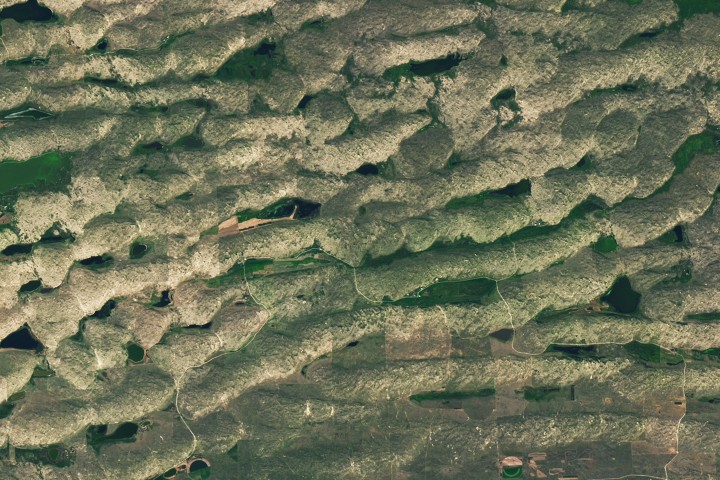
The Nebraska Sandhills represent a significant geographical feature, recognized as the largest system of sand dunes in the Western Hemisphere. This vast natural landscape stretches across approximately one-quarter of the state of Nebraska, creating a unique and expansive environment that defines much of the region's topography.
This extensive area of rolling dunes is not merely a collection of isolated hills but a cohesive ecological and geological domain. The sheer scale of the Sandhills contributes to their status as a notable landmark within North America. By covering such a substantial portion of Nebraska, these dunes influence local climate patterns, wildlife habitats, and land use practices throughout the region.
The identification of the Nebraska Sandhills as the largest system of its kind in the Western Hemisphere highlights its importance in geographical studies. Researchers and geologists often look to this area for insights into dune formation, stabilization, and the interaction between wind, sand, and vegetation. The stability of these dunes is particularly notable, as many active dune systems are mobile, whereas the Sandhills have largely stabilized due to native grasses.
Understanding the scope of the Nebraska Sandhills provides context for regional conservation efforts. Because they occupy such a large percentage of the state, their health and preservation are critical for maintaining biodiversity and soil integrity. The interplay between the sandy substrate and the root systems of prairie grasses creates a unique ecosystem that supports various species of flora and fauna.
The description of the Sandhills as Nebraska’s "Wide, Rolling Domain" captures the visual and physical experience of the area. Visitors and observers alike are struck by the continuous horizon and the gentle undulations of the landscape. This geographical reality underscores the importance of accurate mapping and scientific documentation to ensure that this significant natural resource is understood and protected for future generations.
💬 Comments
📜 Comment Policy