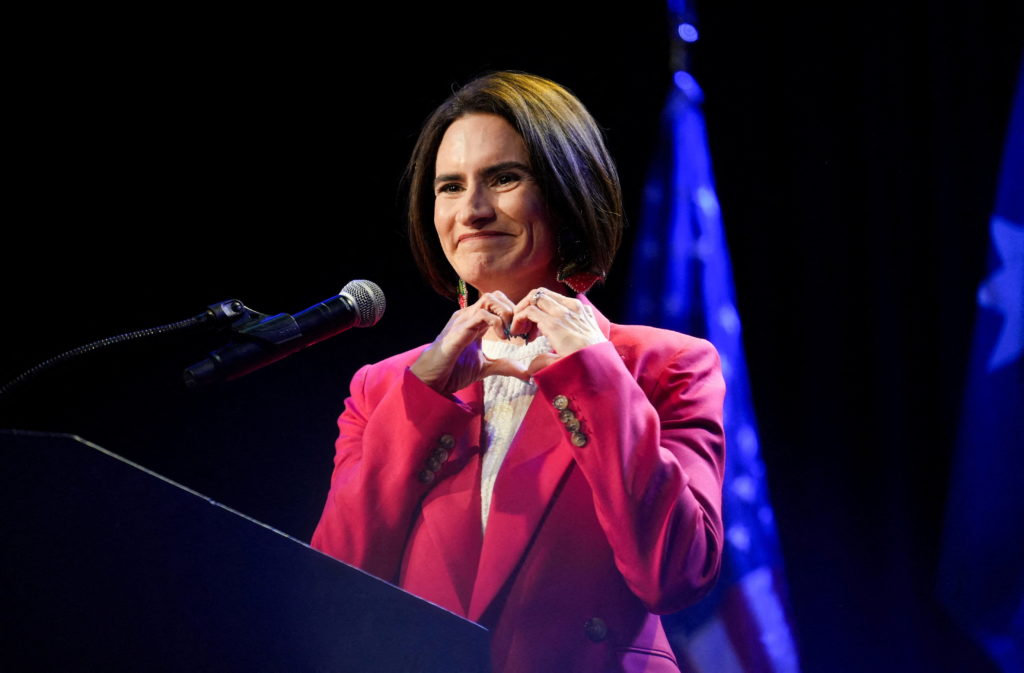
Peggy Flanagan became the first Native American woman elected to the U.S. Senate, Deb Haaland the first to win a state governorship, and Crystalyne Curley the first to lead the Navajo Nation, marking a historic election cycle for Native American women in leadership roles. Curley’s ambition was sparked during a third-grade field trip to the Navajo Nation Council, where she witnessed a heated debate between tribal lawmakers. The Washington Times reports this experience fueled her political aspirations. Flanagan’s Senate win and Haaland’s governorship represent significant milestones in representation at the state and federal levels. Curley’s election as leader of the Navajo Nation signifies a breakthrough in tribal governance. While these victories are confirmed across sources, the underlying reasons for these shifts in representation and the long-term impact on policy remain to be seen.
Our reading is that this election cycle represents a demonstrable shift in political representation for Native American women, moving beyond symbolic firsts to actual leadership positions at multiple levels of government. The article highlights not just *that* these women were elected, but also suggests a growing momentum, Curley’s political ambition stemming from a childhood experience, and Haaland’s established career trajectory, indicating a potential for sustained change. While the long-term impact remains uncertain, these victories clearly signal a rising political force.
Read the original coverage
💬 Comments
📜 Comment Policy