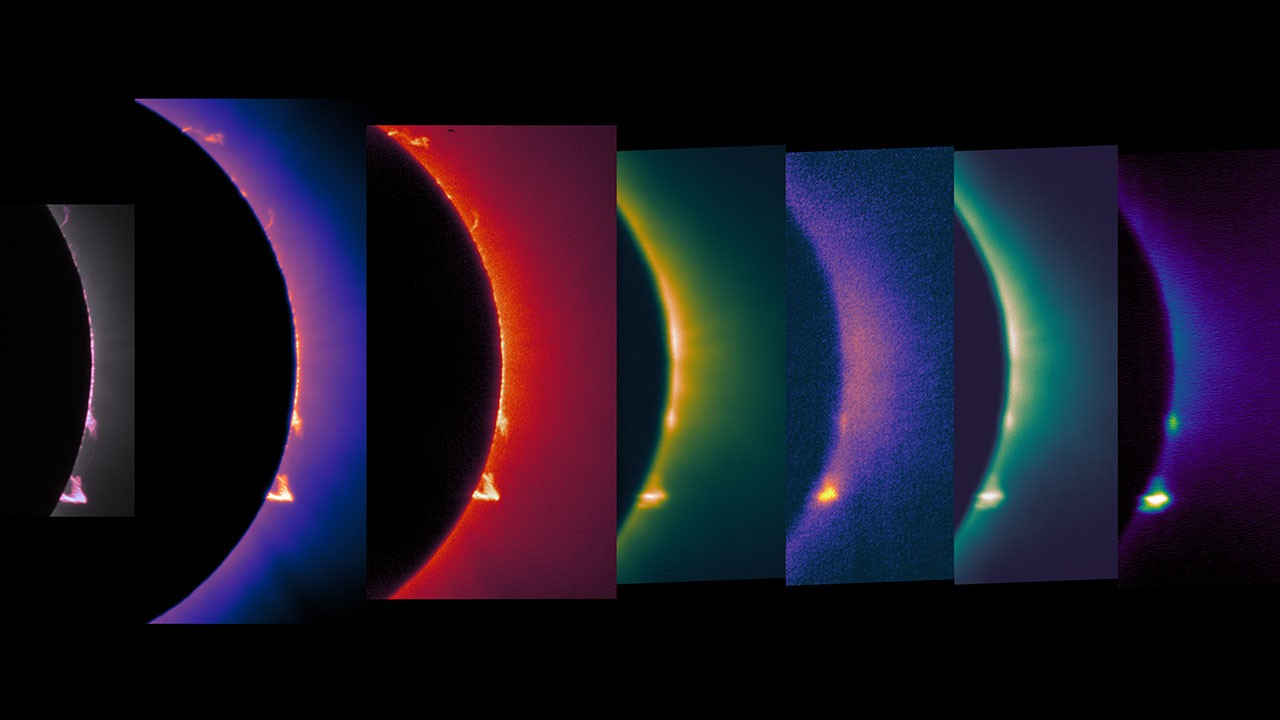
A total solar eclipse on August 12th will provide NASA with opportunities to study the sun and its impact on Earth. The event, sweeping across Greenland and Iceland, allows scientists to observe the sun’s corona – its outer atmosphere – which is usually obscured by the bright light of the sun.
Each time the Moon covers the Sun during a total solar eclipse — darkening daytime skies and briefly revealing the Sun’s ethereal outer atmosphere, the corona — it presents new opportunities to better understand our star and its influence on Earth. NASA states that the upcoming eclipse, scheduled for Wednesday, August 12, will sweep over Greenland and Iceland.
The primary reason for studying eclipses is to gain a deeper understanding of the sun. During totality, when the moon completely blocks the sun’s bright face, the corona becomes visible. This outer atmosphere is typically hidden from view, making eclipses rare opportunities for direct observation and study. NASA scientists will use this event to collect data that contributes to broader research on solar phenomena and their effects on our planet.
We don't rate truth. We strip the spin and show you which perspectives covered the story. You decide.
Read the original coverage
💬 Comments
📜 Comment Policy