NASA Shifts Focus Away from Direct Search for Martian Life
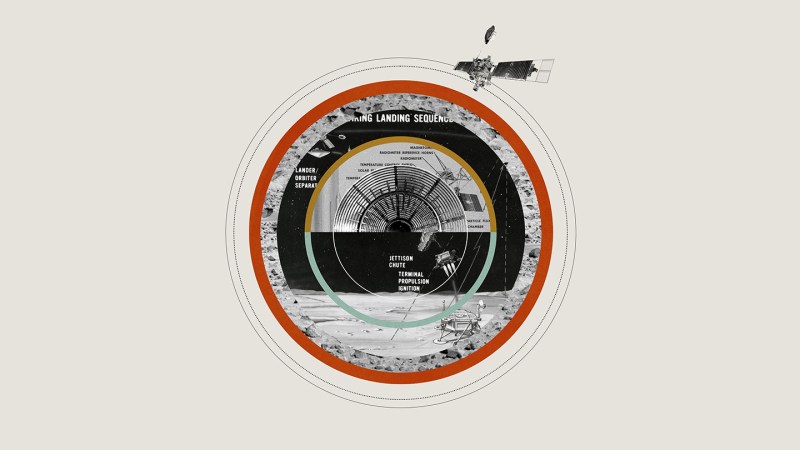
Fifty years after the Viking 1 mission initiated the scientific search for life on Mars, NASA appears to be moving away from this specific objective. The agency's shifting priorities are currently placing the quest for extraterrestrial biology in a state of uncertainty.
The Viking 1 lander marked a significant milestone in space exploration by kicking off the search for Martian life five decades ago. This historic mission set the stage for subsequent investigations into whether the Red Planet could support biological processes. However, current strategic directions suggest a departure from this long-standing goal.
NASA’s evolving focus is putting the quest for life on Mars in limbo. While the agency continues to explore the planet through various robotic missions, the explicit hunt for signs of past or present life seems to be losing prominence in its official agenda. This shift raises questions about how future missions will prioritize scientific objectives compared to the foundational work done by Viking 1.
The change in direction reflects a broader adjustment in NASA's approach to planetary science. Rather than dedicating resources primarily to biosignature detection, the agency may be redirecting efforts toward other aspects of Martian exploration, such as geology or preparation for human arrival. This strategic pivot means that the direct search for life, once a central pillar of Mars exploration policy, is now facing an uncertain future.
Observers note that this transition marks a significant departure from the early days of Mars exploration. The Viking missions were explicitly designed to answer the question of whether life exists on Mars. With NASA seemingly backing away from this specific hunt, the scientific community must adapt to new frameworks for understanding the planet's potential habitability without the same level of institutional emphasis.
As priorities continue to shift, the legacy of Viking 1 remains a critical reference point. The mission demonstrated that it is possible to conduct biological experiments on another world. Yet, with NASA’s current trajectory, the direct continuation of that specific search is no longer guaranteed. The quest for Martian life now hangs in the balance, dependent on how future policy decisions interpret the value of biological exploration versus other scientific and exploratory goals.
💬 Comments
📜 Comment Policy