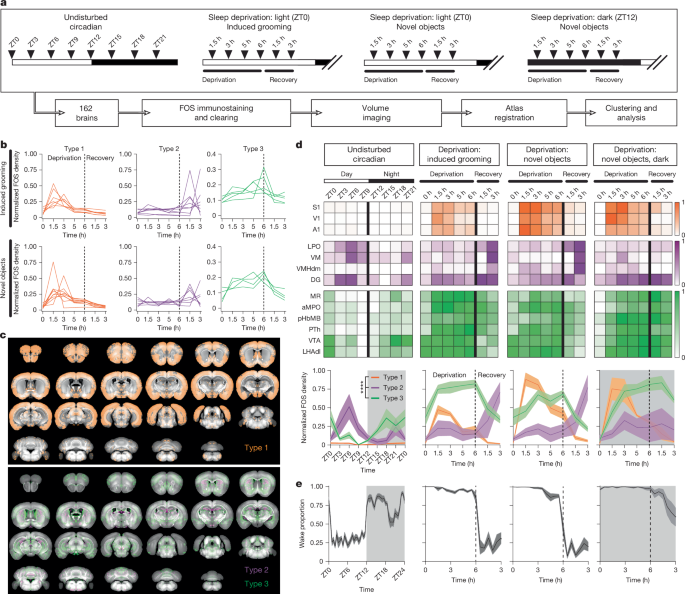
Researchers have identified specific neuronal populations in mice that are activated during wakefulness and play a crucial role in regulating sleep drive. The study, published in *Nature* on August 19, 2026, utilized whole-brain activity mapping, targeted cell manipulations, and electrophysiology to understand the mechanisms behind sleep regulation.
The research team discovered that these wake-activated neuronal populations are not only involved in initiating sleep but can also persistently reduce the total amount of sleep a mouse gets each day. This suggests a direct link between neuronal activity during wakefulness and the build-up, and subsequent release, of sleep pressure.
The study employed a multi-faceted approach, combining large-scale brain activity mapping with precise manipulation of identified cells. Electrophysiological recordings further confirmed the role of these neurons in regulating sleep. The findings provide new insights into the biological basis of sleep and could potentially lead to a better understanding of sleep disorders and the development of targeted therapies.
We don't rate truth. We strip the spin and show you which perspectives covered the story. You decide.
Read the original coverage
💬 Comments
📜 Comment Policy