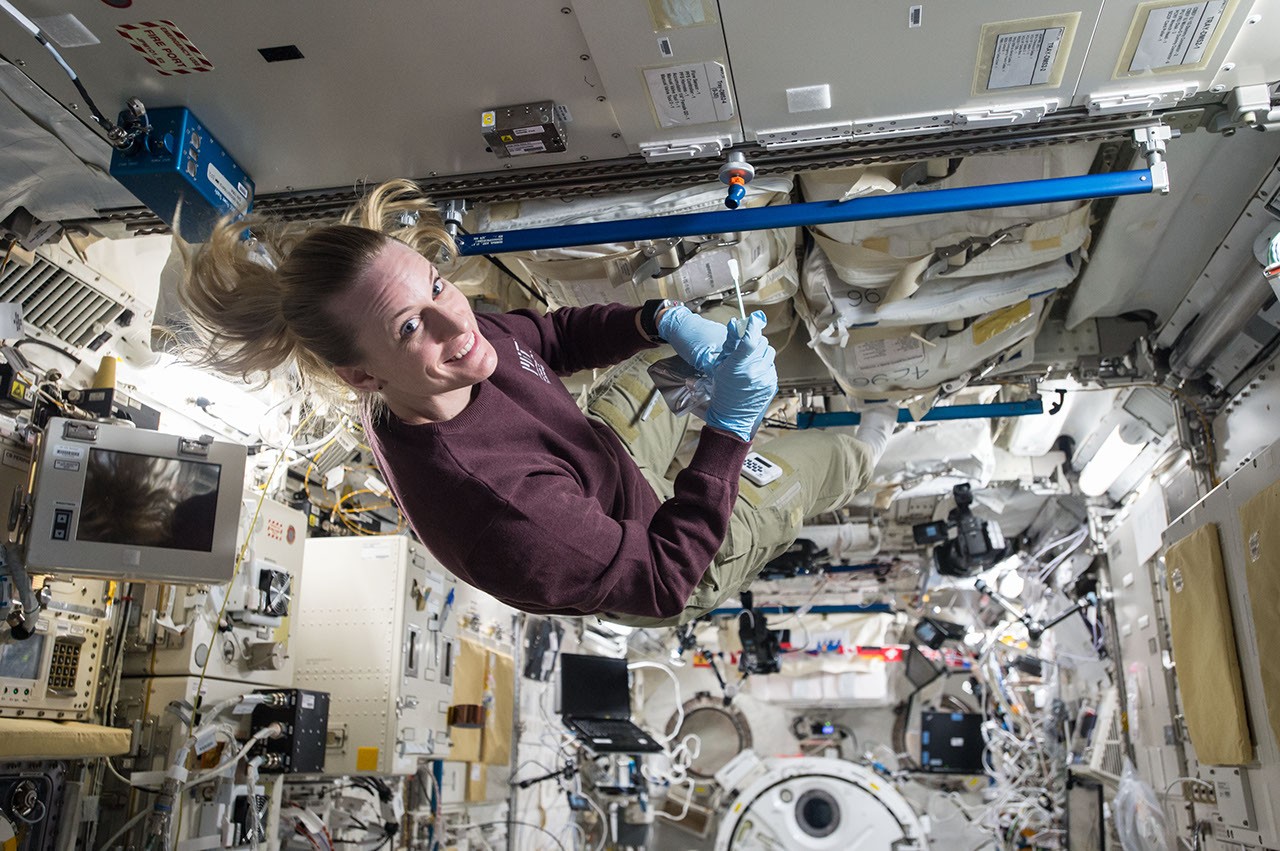
NASA scientists have discovered that some microbes carried to space by human explorers could potentially survive in the shaded regions of the Moon’s South Pole. The findings, published August 19, 2026, in *Science Advances*, underscore the need for a better understanding of microbial persistence in space environments.
The research indicates that certain Earth microbes are capable of surviving in the unique conditions present in the Moon’s South Pole region. These conditions include permanently shadowed areas that offer protection from radiation and extreme temperatures. The study highlights the possibility that microbes transported by human missions could establish themselves in these lunar niches.
According to NASA, the findings emphasize a need to better understand microbial persistence. The agency did not elaborate on the specific implications of this persistence beyond the need for further study, but the research suggests that contamination from Earth-based life is a viable concern for future lunar exploration and potential colonization efforts. The study was published on August 19, 2026, in *Science Advances*.
We don't rate truth. We strip the spin and show you which perspectives covered the story. You decide.
Read the original coverage
💬 Comments
📜 Comment Policy