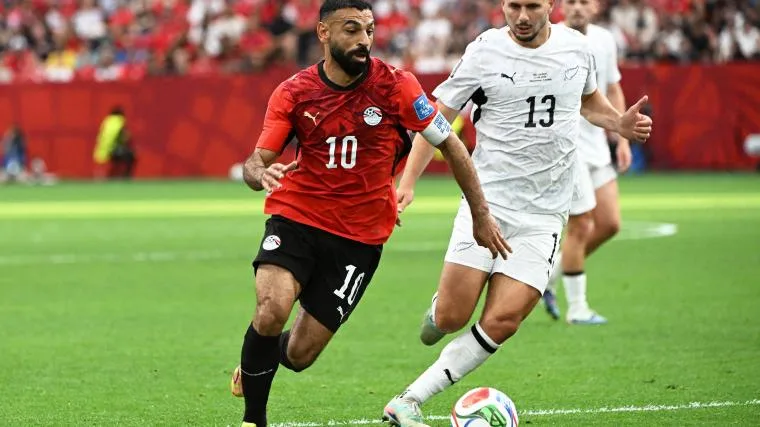
Egyptian footballer Mo Salah has been officially recognized with the title of "King" by the Egyptian government, a designation that underscores his significant status within the nation. The honor was conferred during a ceremony held at the Cairo Opera House, where Salah received a golden trophy and a certificate from President Abdel Fattah el-Sisi. This event marks a formal acknowledgment of Salah's contributions to Egyptian sports and his role as a prominent national figure.
The awarding of the title "King" is not merely symbolic but reflects the deep respect Salah commands among Egyptians. His performance on the international stage, particularly in major tournaments such as the Africa Cup of Nations and the FIFA World Cup, has drawn widespread attention and admiration. The Egyptian media and public have long referred to him with this moniker due to his exceptional skill, leadership, and ability to inspire hope and pride across the country.
During the ceremony, President el-Sisi praised Salah for his dedication to representing Egypt with dignity and excellence. The president highlighted how Salah’s success has elevated the profile of Egyptian football globally, bringing recognition to the nation’s athletic talent. Salah, in turn, expressed gratitude for the honor, stating that it was a privilege to serve as an ambassador for Egypt through his career.
The title "King" is traditionally reserved for individuals who have made extraordinary contributions to their field or country. In this context, it signifies Salah’s unparalleled impact on Egyptian sports culture. His club performances in Europe, particularly with Liverpool FC, have further cemented his status as a global icon while maintaining strong ties to his homeland.
Sports analysts and commentators have noted that the formal recognition of Salah as "King" is a rare occurrence for an athlete in Egypt, where such honors are typically bestowed upon political or military figures. This distinction highlights the growing influence of sports personalities in national discourse and the government’s willingness to celebrate athletic achievement at the highest level.
The ceremony also featured appearances by other notable Egyptian athletes and officials, who joined in congratulating Salah on his receipt of the title. The event was broadcast live across Egyptian television networks, allowing millions of citizens to witness the occasion. Social media platforms saw a surge in posts celebrating Salah’s achievement, with many Egyptians expressing pride in their national hero.
Salah’s journey from a local player in Egypt to an international superstar has been closely followed by fans and journalists alike. His technical abilities, work ethic, and sportsmanship have earned him respect beyond the football community. The title "King" is seen as a fitting tribute to his enduring legacy in Egyptian sports history.
The government’s decision to award Salah this honor comes amid efforts to promote national unity and cultural pride through sports. By recognizing Salah’s achievements, authorities aim to inspire younger generations to pursue excellence in athletics and other fields. The ceremony served as a reminder of the power of sports to unite people across social and political divides.
As Salah continues his career, the title of "King" will remain an integral part of his public identity. It symbolizes not only his personal accomplishments but also the collective aspirations of Egyptians who see him as a source of national pride. The formal conferment of this title ensures that his contributions to Egyptian football are permanently recorded in the nation’s cultural and historical narrative.
We don't rate truth. We strip the spin and show you which perspectives covered the story. You decide.
Read the original coverage
💬 Comments
📜 Comment Policy