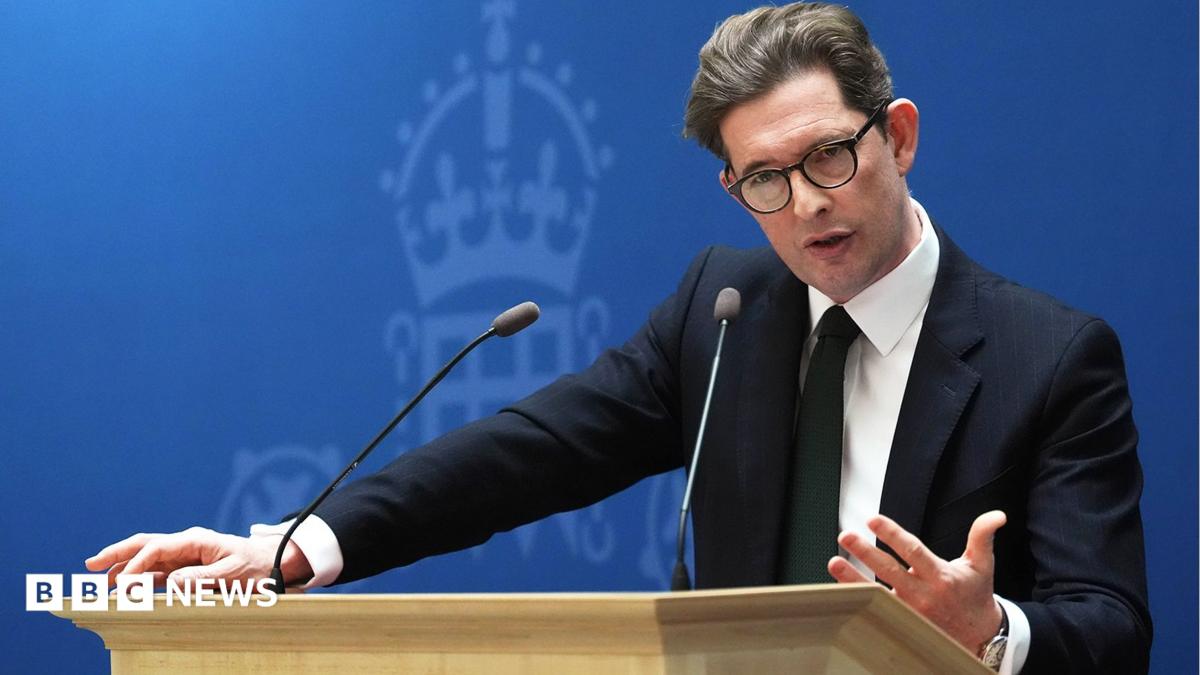
The UK’s domestic intelligence service, MI5, is devoting more resources to countering state threats than during the Cold War, with Russia identified as “aggressor number one,” according to its director general, Sir Ken McCallum. McCallum stated that MI5 is now contending with roughly equal scales of terrorism and state threat operations, as threats from foreign adversaries have quadrupled. He detailed a hybrid warfare campaign by Russia, which has shifted from direct covert action to utilizing proxies following the expulsion of nearly 1,000 Russian spies from the UK. Iran is also expanding its hybrid campaign within the UK, resulting in 50 arrests in the last year, largely targeting Jewish communities and military sites. The National Security Act of 2023 is being heavily utilized to address these threats, including those originating from China.
Beyond traditional state-sponsored threats, McCallum highlighted the emerging danger of artificial intelligence being exploited by terrorists. MI5 has already identified instances of terrorists attempting to use AI to enhance reconnaissance and attack methodologies, including integrating the technology with drones. The most concerning potential application, he warned, is the development of bioweapons by extremist groups, a threat that is not yet realized but could significantly escalate risks. MI5, along with GCHQ and MI6, is collaborating with the UK’s AI Security Institute to mitigate these dangers. The UK’s terrorism threat level remains at severe, having been raised to that level for the first time in five years.
Sources diverge in their emphasis. Sky News led with the AI threat, framing it as “supercharging” security risks, while the BBC focused on the scale of state-sponsored threats and the comparison to the Cold War. Both outlets reported on all threats, but Sky News prioritized the technological aspect.
Our reading is that the UK faces a significantly escalated threat landscape, with both state-sponsored and non-state actors increasingly active. The comparison to the Cold War suggests a return to a sustained period of geopolitical competition, while the emphasis on AI introduces a novel and potentially destabilizing dimension to these threats. The divergence in media coverage highlights the competing priorities of framing the story around either established geopolitical risks or emerging technological ones.
Read the original coverage
💬 Comments
📜 Comment Policy