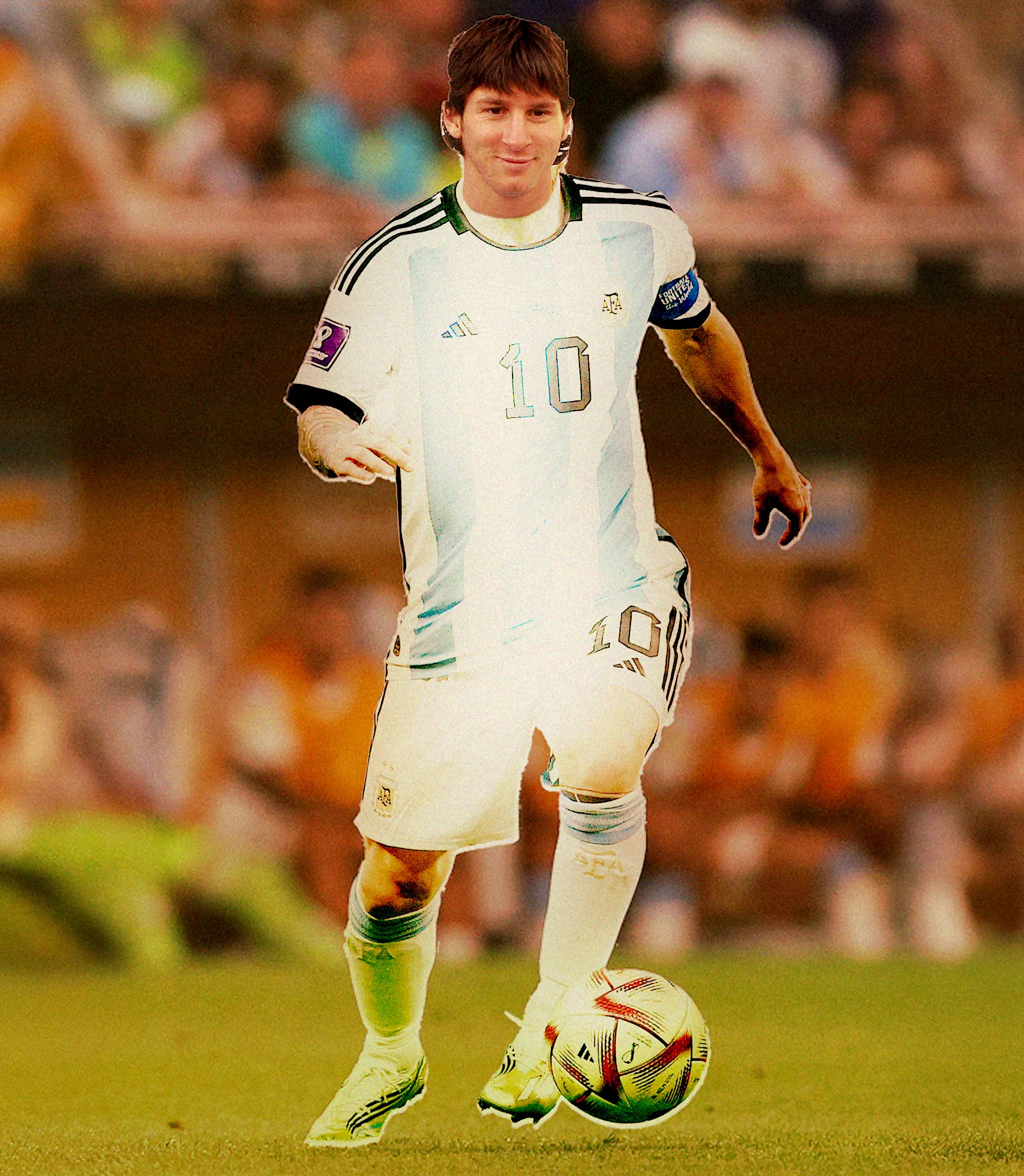
Argentina’s Lionel Messi, widely considered among the greatest soccer players of all time, recently competed in what was expected to be his final World Cup. His continued success at a late stage in his career is attributed to advancements in sports science that are allowing athletes to extend their peak performance years and rewrite conventional understandings of athletic aging.
Messi “was supposed to be done years ago,” according to Wired, but has defied expectations through the application of modern training techniques and recovery methods. The article highlights a broader trend within professional soccer where players are maintaining high levels of play for longer periods than previously thought possible.
The core reason behind this shift is the increasing sophistication of sports science. This includes detailed data analysis of player performance, personalized training regimens designed to optimize physical condition, and improved strategies for injury prevention and recovery. These methods allow athletes like Messi to manage the physical demands of elite competition more effectively, delaying the inevitable decline often associated with age.
The impact extends beyond individual players; it’s fundamentally changing how teams approach roster construction and player development. The ability to extend an athlete's career has significant implications for team strategies and competitive dynamics within professional soccer.
We don't rate truth. We strip the spin and show you which perspectives covered the story. You decide.
Read the original coverage
💬 Comments
📜 Comment Policy