Martha Graham Dance Company Directors Discuss Revolutionizing Modern Dance
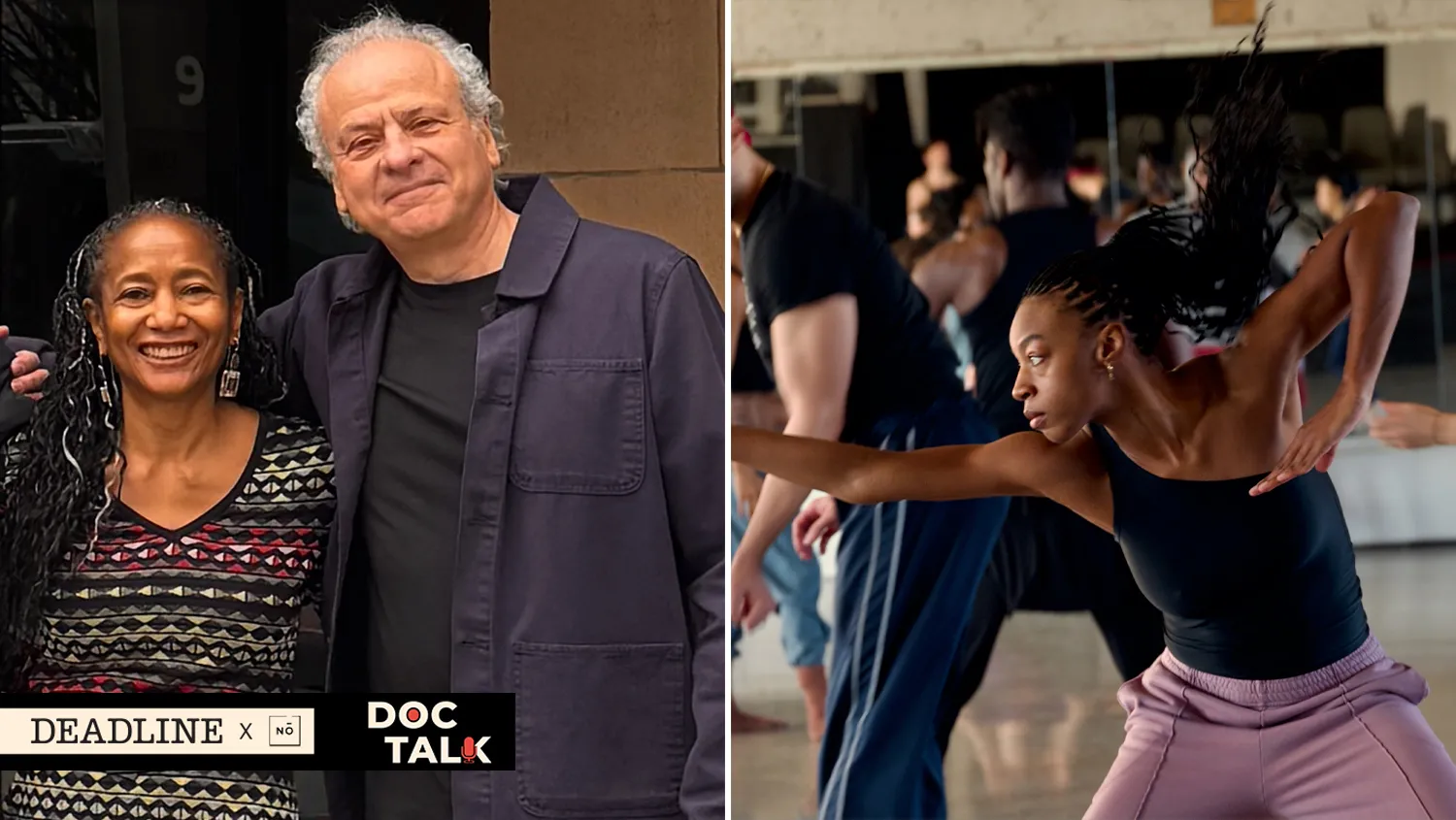
In a recent discussion on the Doc Talk Podcast, the directors of the Martha Graham Dance Company highlighted how Graham fundamentally altered the landscape of modern dance. The conversation centered on her rejection of traditional ballet conventions in favor of a more raw and expressive physical language.
A primary example of this revolution was Graham's decision to have her dancers perform barefoot. Unlike classical ballet, which relies on specific footwear, Graham’s performers, including Graham herself during performances, went without shoes. This choice was not merely aesthetic but integral to the technique she developed.
Furthermore, the directors emphasized the specific positioning of the feet as a key differentiator. In classical ballet, the foot is typically elegantly pointed. In contrast, Graham’s dancers utilized a flexed foot position. The source describes this stance as "taut and expressive," marking a stark departure from the dainty ballet slippers associated with traditional forms.
These physical adjustments were part of a broader effort to revolutionize what is generally referred to as modern dance. By stripping away the ornate elements of classical ballet, Graham created a new vocabulary of movement that prioritized emotional intensity and anatomical truth over graceful prettiness. The directors used these details to illustrate how Graham’s innovations continue to influence contemporary dance practices today.
The podcast episode served as an educational platform for listeners to understand the historical significance of Graham’s work. By focusing on tangible elements like footwear and foot articulation, the directors provided a clear window into the mechanics of her revolutionary style. This approach allows audiences to grasp the magnitude of her impact on the performing arts without needing extensive prior knowledge of dance history.
Through these specific examples, the narrative underscores Graham’s role as a pioneer who challenged established norms. Her legacy is visible in the continued use of barefoot performance and flexed feet in modern choreography. The discussion reaffirmed her status as a transformative figure whose techniques remain relevant and studied by dancers worldwide.
💬 Comments
📜 Comment Policy