Voters in Maryland, New York, South Carolina, and Utah are heading to the polls on Tuesday for primary elections that feature several notable races. Among the most watched contests is a Democratic primary for a U.S. House seat in New York, where two opposing factions within the artificial intelligence industry are competing for influence.
The race highlights the growing political clout of the AI sector, with different groups within the industry backing various candidates to advance their respective interests. This dynamic illustrates how technological corporations and their internal divisions are increasingly engaging in electoral politics to shape policy outcomes that affect their business models and regulatory environments.
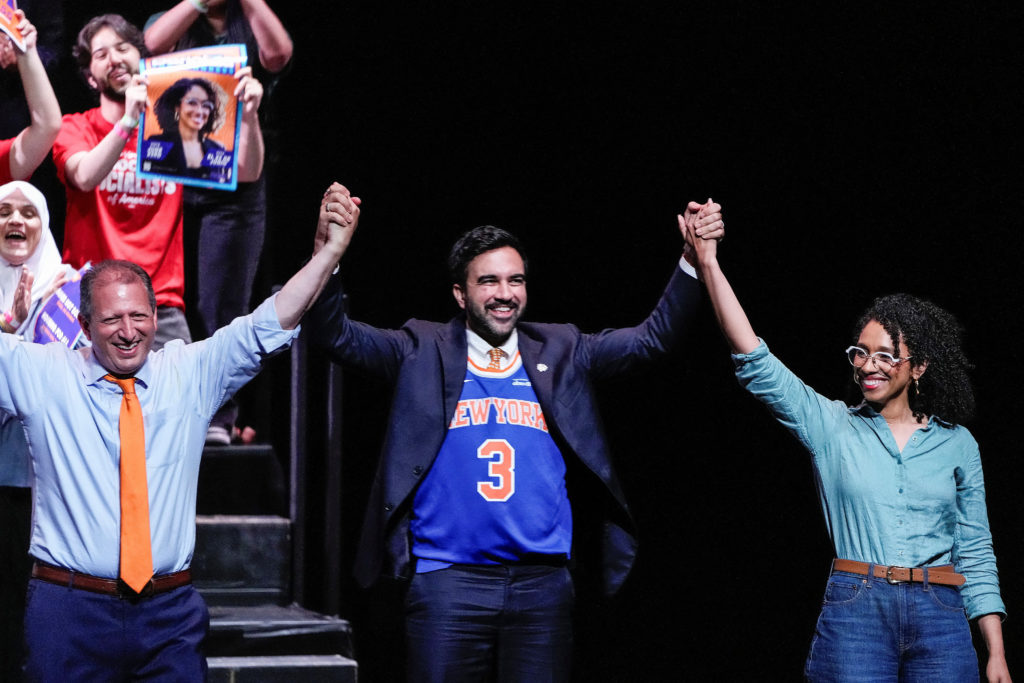
In New York City, Mayor Zohran Mamdani is also a focal point of political attention as he tests his own political influence by backing fellow candidates. His involvement underscores the interconnected nature of local and national Democratic politics, where prominent figures leverage their positions to support allies within the party structure. Mamdani's actions are being closely monitored as indicators of broader trends in how established political actors align with emerging industry power centers.
The primary elections across the four states serve as a barometer for voter sentiment ahead of the general election cycle. In Maryland, South Carolina, and Utah, voters are evaluating candidates on a range of issues specific to their respective districts and states. The outcomes in these primaries will determine who advances to the general election and may signal shifts in party priorities and candidate viability.
The intersection of technology industry interests and traditional political campaigns is becoming more pronounced. As AI companies expand their operations, they are investing resources into political advocacy and campaign contributions to ensure that regulatory frameworks align with their strategic goals. The presence of these competing factions in the New York House race exemplifies this trend, where corporate lobbying efforts are translated directly into electoral support.
Political analysts note that the involvement of major industry players in local primaries can have significant implications for future legislation regarding technology regulation, data privacy, and innovation incentives. The outcomes of these races will likely influence how policymakers approach the governance of artificial intelligence and related technologies in the coming years.
As the primary season progresses, attention remains on how these dynamics play out in other key states. The results in Maryland, South Carolina, and Utah will provide additional context for understanding the current political landscape and the role of special interests in shaping electoral outcomes. Voters in all four states are casting ballots that will not only determine local representation but also contribute to the broader national conversation on the intersection of technology, industry influence, and democratic processes.
Read the original coverage
💬 Comments
📜 Comment Policy