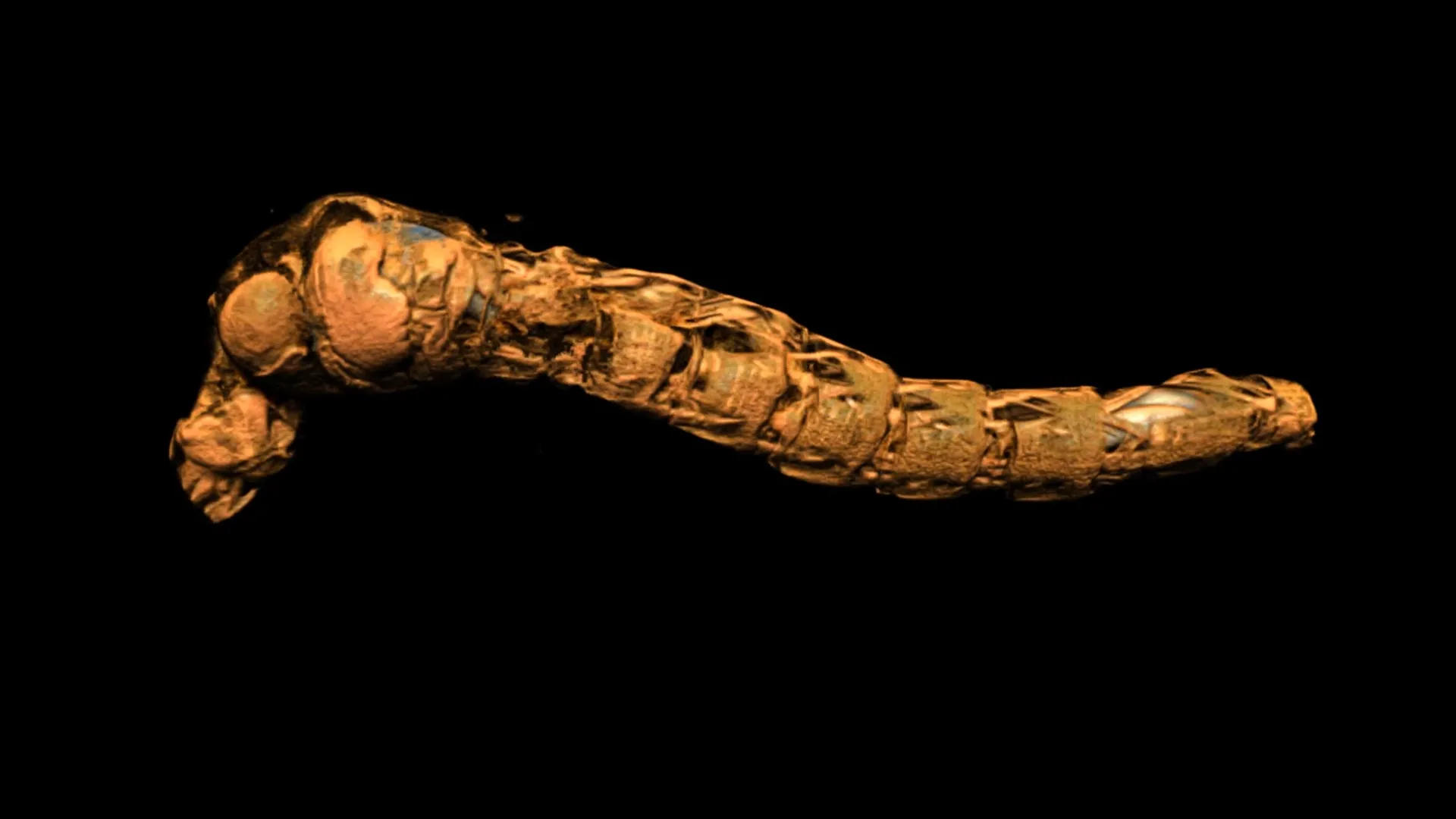
Researchers have discovered that lake fly larvae in Lake Malawi routinely dive over 200 meters daily to evade predators. These insects utilize tiny air sacs and a unique material called resilin to control their buoyancy and withstand immense pressure. This behavior challenges existing theories about why insects are not found in the open ocean.
The study, focused on Lake Malawi, reveals that lake fly larvae undertake remarkable vertical migrations each day. They descend more than 200 meters – exceeding 650 feet – to escape predation. The larvae achieve this feat using small, internal air sacs which allow them to regulate their depth within the water column.
The key to their survival at such depths lies in a rubber-like protein called resilin. Researchers found that the larvae can expand or shrink these air sacs by altering their pH levels. This allows for precise control of buoyancy despite the crushing pressure at those depths.
This discovery is significant because it challenges a prevailing explanation for why insects are absent from the open ocean – the idea that they lack the necessary mechanisms to cope with deep-water pressures. The lake fly larvae demonstrate an ability to not only survive but thrive in conditions previously thought insurmountable for insects, prompting scientists to reconsider existing theories about marine insect distribution.
We don't rate truth. We strip the spin and show you which perspectives covered the story. You decide.
Read the original coverage
💬 Comments
📜 Comment Policy