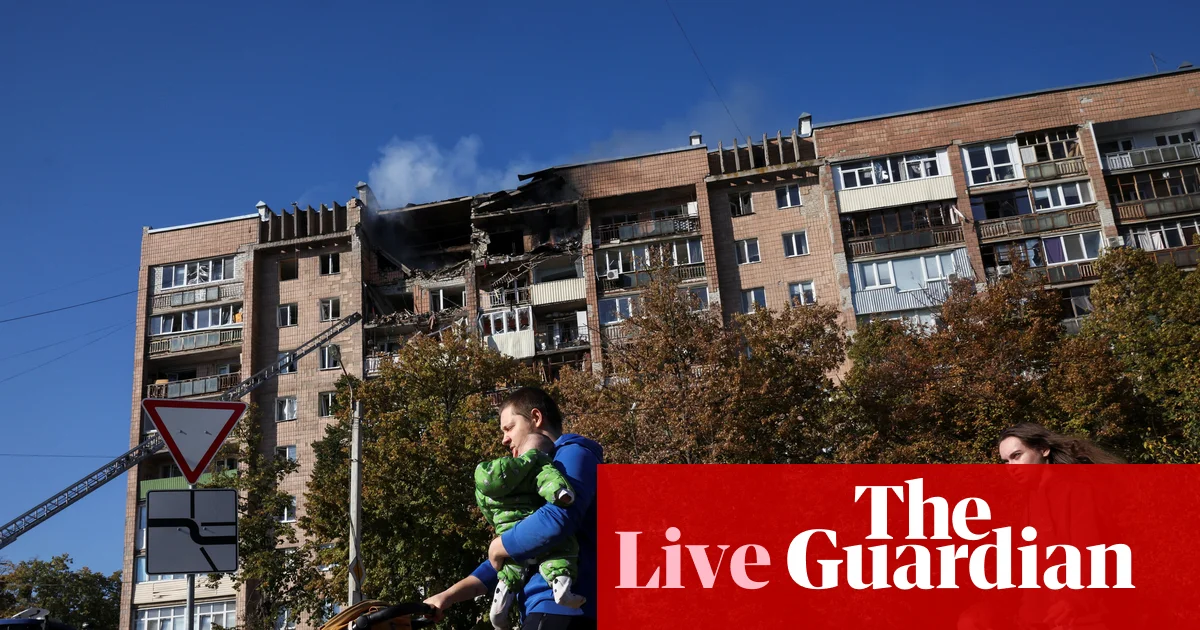
The Kremlin rejected a 60-day ceasefire proposal from Ukrainian President Volodymyr Zelenskyy, reiterating its desire for a comprehensive peace deal. Zelenskyy had suggested the ceasefire would allow Ukraine to hold presidential elections, currently suspended due to martial law imposed since Russia’s full-scale invasion in February 2022. Russia struck a power plant in Kharkiv shortly after former US President Donald Trump publicly called for a ceasefire, a move Zelenskyy noted appeared to bypass official channels, referencing Trump’s posts on Truth Social. Zelenskyy indicated Ukraine is prepared to alter its constitution to facilitate elections if a “full” energy ceasefire is implemented, acknowledging the logistical challenges of holding a vote with over a million people on the frontline.
Trump’s call for a ceasefire, framed as an “energy ceasefire,” drew criticism from European officials. Lithuanian Foreign Minister Kešstutis Budrys stated the proposal was unhelpful to both oil market stability and transatlantic unity, while Estonian Foreign Minister Margus Tsakhna questioned its practicality, noting continued Russian attacks despite the announcement. Tsakhna linked the proposal to US domestic politics. Both ministers expressed skepticism that a “diesel deal” between Trump and Russian President Vladimir Putin would significantly impact energy prices. Zelenskyy stated that a US commitment to ensuring Russia honors an energy ceasefire could be a “major step” toward ending the war, but awaits specific details of any potential US-Russia conversation.
Kremlin spokesperson Dmitry Peskov confirmed Russia’s rejection of the 60-day ceasefire, stating Russia seeks a long-term peace rather than a temporary pause. Russia has repeatedly called for Ukraine to hold elections, framing the lack of elections as evidence of Zelenskyy’s illegitimacy. The European Union is set to impose sanctions on 1,600 Russian individuals and entities, the largest such listing to date.
Our reading is that the Kremlin’s rejection of Zelenskyy’s ceasefire proposal is unsurprising given its stated preference for a more comprehensive, long-term peace settlement. The timing of the Russian strike on Kharkiv following Trump’s ceasefire announcement, as highlighted by Zelenskyy and The Guardian, suggests a deliberate attempt to undermine any perceived momentum toward de-escalation. The skepticism voiced by European officials regarding Trump’s proposal indicates a lack of transatlantic consensus on a path forward, and a concern that domestic US politics are driving the conversation.
Read the original coverage
💬 Comments
📜 Comment Policy