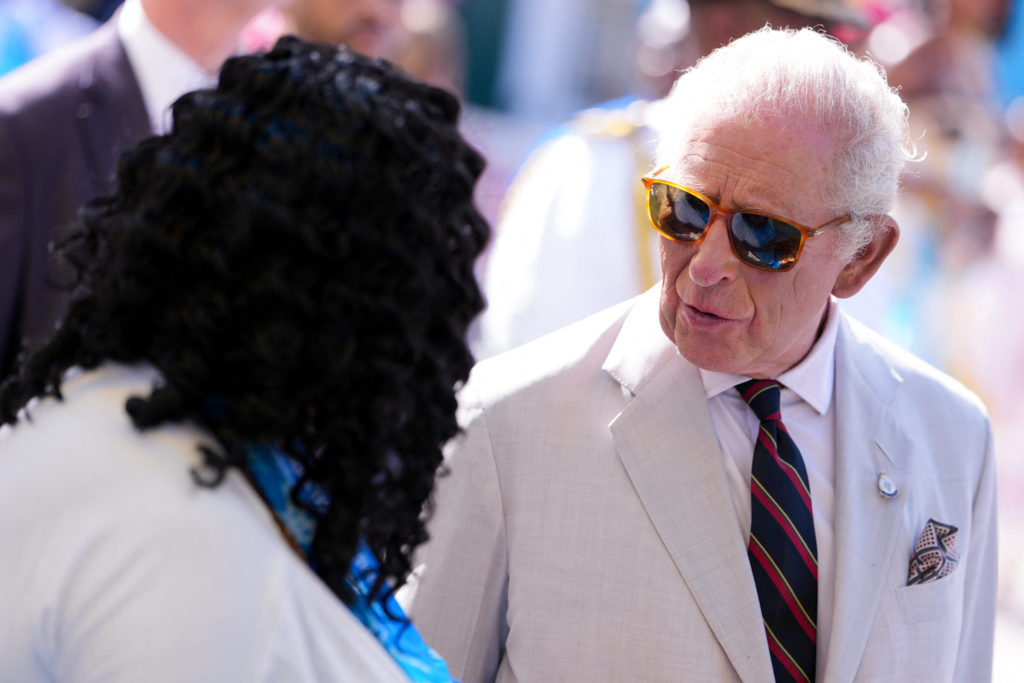
King Charles III’s nine-day tour of the Caribbean is prompting renewed calls for the United Kingdom to formally apologize for its historical role in slavery and to consider financial reparations. While on tour, Charles acknowledged slavery as an “atrocity that forever stains our history” and stated the Bahamas’ culture was “born out of darkness,” but stopped short of issuing a formal apology. Campaigners in the region are urging both an apology and investment in areas like education and healthcare as forms of reparations.
Professor of History Diana Paton at the University of Edinburgh emphasizes the importance of “recognition of this harm that was done to their ancestors and that echoes down the generations, and also the economic implications of that.” Associate Professor of History Brooke Newman at Virginia Commonwealth University points out that the UK government, regardless of party, has consistently resisted discussing or offering reparations, despite the monarchy’s historical involvement in and benefit from the transatlantic slave trade.
Experts note that decisions regarding reparations fall to the British government, not the monarch, as any payments would require parliamentary approval and come from public funds. Craig Prescott, an expert on UK constitutional law at Royal Holloway, University of London, stated, “It’s not a matter for the king. It is the longstanding policy of the government to, yes, note that slavery happened and that it is a stain on British history, but that reparations are not payable.” Charles is scheduled to attend the Commonwealth Heads of Government Meeting next week, where he will meet with leaders from 56 member states. The question of whether the UK government will reconsider its stance on reparations remains open, despite growing pressure from Caribbean nations and advocates.
Our reading is that King Charles’s Caribbean tour has predictably amplified existing demands for reparations related to the UK’s historical involvement in slavery. While the King acknowledged the “atrocity” of slavery, he did not offer a formal apology, a position consistent with the UK government’s longstanding resistance to discussing reparations. The tour appears to be a catalyst for further debate, but the ultimate decision regarding reparations rests with the British Parliament, not the monarch.
Read the original coverage
💬 Comments
📜 Comment Policy