Kew Gardens Digitizes 7 Million Specimens to Aid Biodiversity Research
The Royal Botanic Gardens, Kew, has completed the digitization of its vast herbarium collection, a monumental effort that has resulted in the scanning of approximately seven million plant specimens. This comprehensive digital archive represents a significant milestone in botanical research and conservation efforts globally.
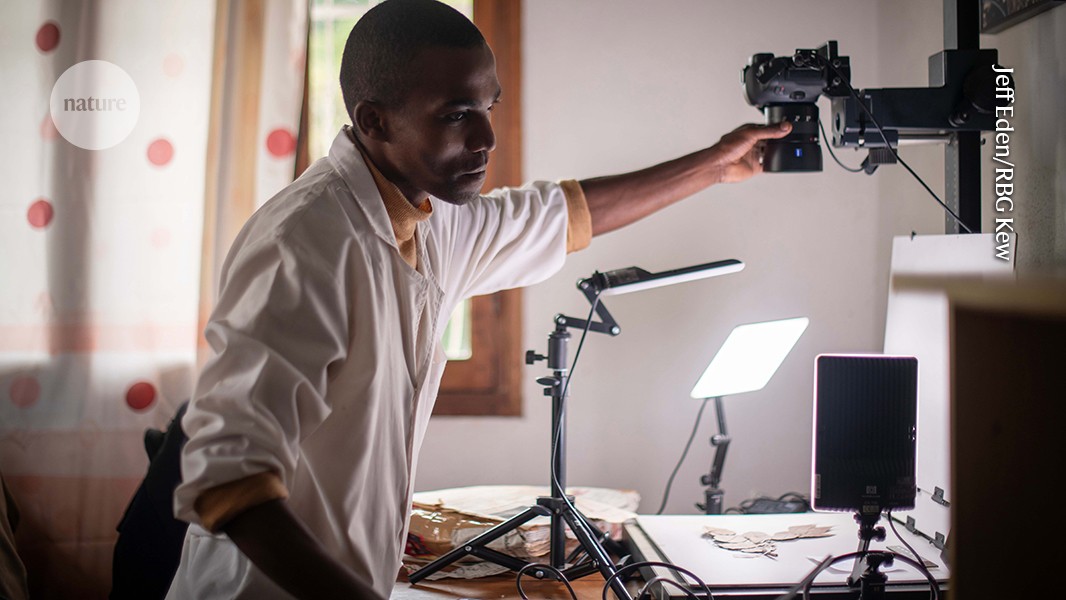
The project, which involved meticulously scanning each individual specimen, aims to make this critical biological data accessible to researchers worldwide. By converting physical records into digital formats, Kew Gardens is facilitating easier access to information that is vital for understanding plant diversity and distribution across the planet.
According to reports published in Nature, the completion of this scan marks a pivotal moment for the institution. The article notes that as Kew Botanic Gardens completes this scan of its collections, artificial intelligence tools could play an instrumental role in the ongoing fight against biodiversity loss. These advanced technologies may help analyze the vast amount of data generated, identifying patterns and threats to plant species that were previously difficult to detect.
The digitization effort underscores the growing intersection between traditional botanical science and modern computational methods. By leveraging AI, scientists can process millions of data points more efficiently than ever before, potentially accelerating discoveries related to conservation strategies and ecological health.
This initiative highlights the importance of preserving historical biological records while simultaneously preparing them for future scientific inquiry. The digital archive serves not only as a repository of past botanical knowledge but also as a dynamic tool for addressing contemporary environmental challenges.
The scope of the project is immense, covering seven million specimens that document the history and variety of plant life. This level of detail provides an unparalleled resource for taxonomists, ecologists, and policymakers who rely on accurate data to make informed decisions regarding conservation and resource management.
As the digital transformation of Kew's collections concludes, the focus shifts to how this data can be utilized to combat the accelerating loss of biodiversity. The integration of AI into this workflow suggests a new era in botanical research, where technology amplifies the impact of scientific discovery.
💬 Comments
📜 Comment Policy