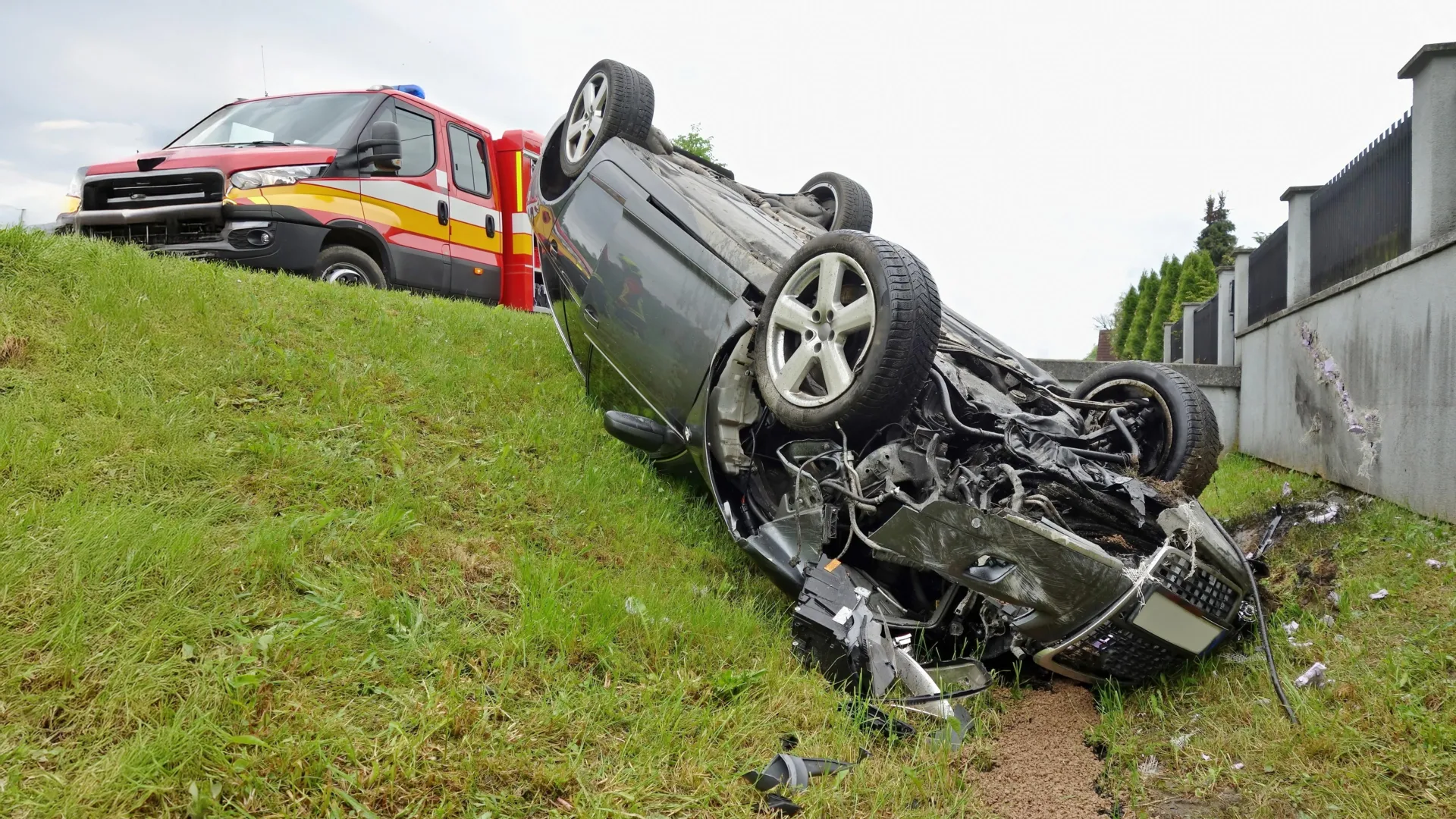
New research from Johns Hopkins has identified a significant risk regarding the concurrent use of edible cannabis products and alcohol. The findings suggest that the simultaneous consumption of these substances poses a greater danger than previously understood. According to the research, individuals who use cannabis edibles and alcohol together may become far more impaired than those who use either substance alone. This distinction is critical for understanding the compounded risks associated with polysubstance use while driving.
The implications of this research extend beyond the physiological effects on the driver. The study highlights a significant issue regarding law enforcement's ability to identify impaired drivers. It was observed that common field sobriety tests often failed to detect the cannabis-related impairment. This creates a precarious situation where a driver might be severely impaired due to the combination of substances, yet the standard tests utilized by officers may not register the specific influence of the cannabis.
Consequently, drivers impaired by both alcohol and cannabis edibles present a dual challenge: a higher degree of impairment combined with the potential to evade detection during standard roadside testing. The research from Johns Hopkins underscores the necessity of understanding the specific risks involved in mixing these substances before operating a vehicle.
We don't rate truth. We strip the spin and show you which perspectives covered the story. You decide.
Read the original coverage
💬 Comments
📜 Comment Policy