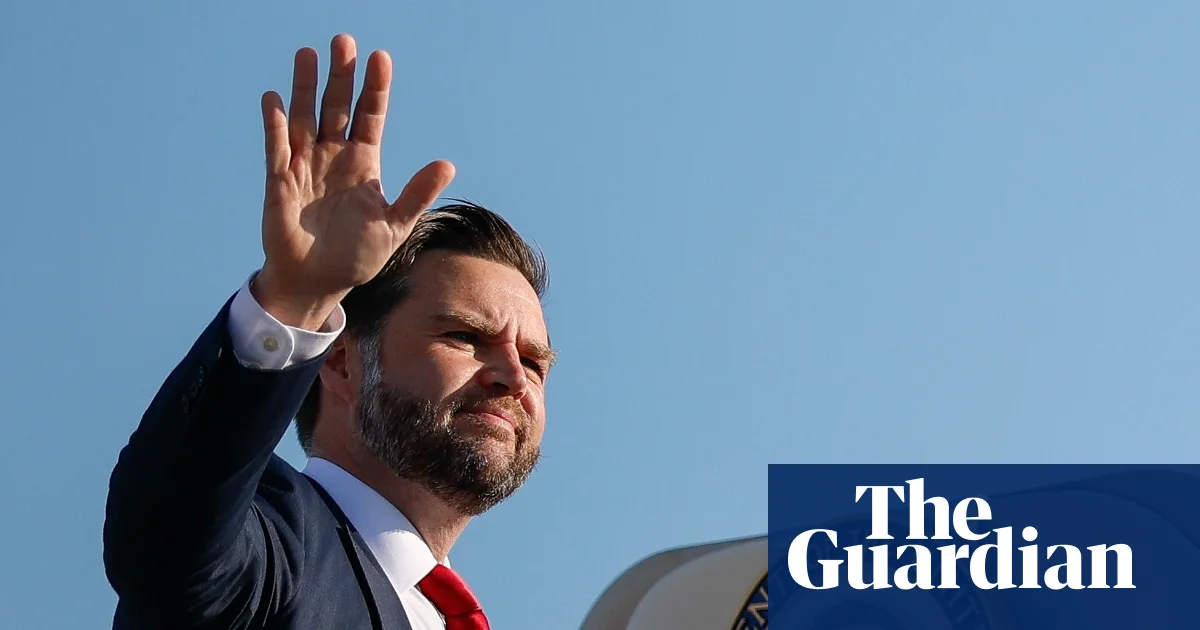
US Vice President JD Vance has sent a letter to Iran’s top security official, Mohsen Rezaei, offering a path to sanctions relief in exchange for commitments on Iran’s nuclear program and the opening of the Strait of Hormuz within seven days. The move, facilitated by Qatari mediation, comes as the US military reportedly developed targets within Iran, with one senator describing the plans as “insane.” Iran has received the letter, but is signaling it will not alter its conditions for a peace deal, which include lifting sanctions, ending asset freezes, and a cessation of hostilities on all fronts, including in Lebanon.
The US seeks upfront commitments from Iran regarding the removal of its stockpile of highly enriched uranium, while Tehran is reluctant to offer concessions without guaranteed reciprocal steps from the US, particularly regarding the lifting of oil export sanctions. Concerns exist on both sides regarding verification and adherence to any agreement. Iran fears the US could reverse sanctions relief, while the US is wary of Iran’s willingness to fully dismantle its nuclear capabilities and is resistant to allowing UN nuclear inspectors full access to the stockpile. Tehran has proposed blending down the stockpile to render it unusable for weapons, but wants seven conditions met first.
The letter was addressed to Rezaei, due to Washington’s assessment that decision-making power rests with those connected to the Islamic Revolutionary Guards Corps. A six-member committee within the Iranian government is reportedly responsible for reaching consensus on the matter, and recently met with Mojtaba Khamenei to discuss the risk of a new war. Iran’s chief negotiator, Mohammad Ghalibaf, stated on X that a “carrot-and-stick approach” would not be effective and that progress requires agreement on Iran’s stated conditions. The Vance letter represents a return to diplomacy by a figure previously skeptical of war, but the core disagreement over sequencing, Iranian concessions first, or US sanctions relief, remains unresolved. Iran has well-laid plans to strike back at US interests in the region, targeting desalination plants, internet cables, and electrical infrastructure.
Our reading is that the Vance letter represents a calculated attempt to re-establish diplomatic channels despite escalating military planning, but the fundamental impasse over the order of concessions remains. The US appears to be signaling a willingness to negotiate while simultaneously demonstrating a credible threat of force, a “carrot and stick” approach that Iran’s negotiator has already dismissed. The focus on decision-making within the Islamic Revolutionary Guards Corps suggests the US understands the internal power dynamics within Iran, but also highlights the potential for intransigence.
Read the original coverage
💬 Comments
📜 Comment Policy