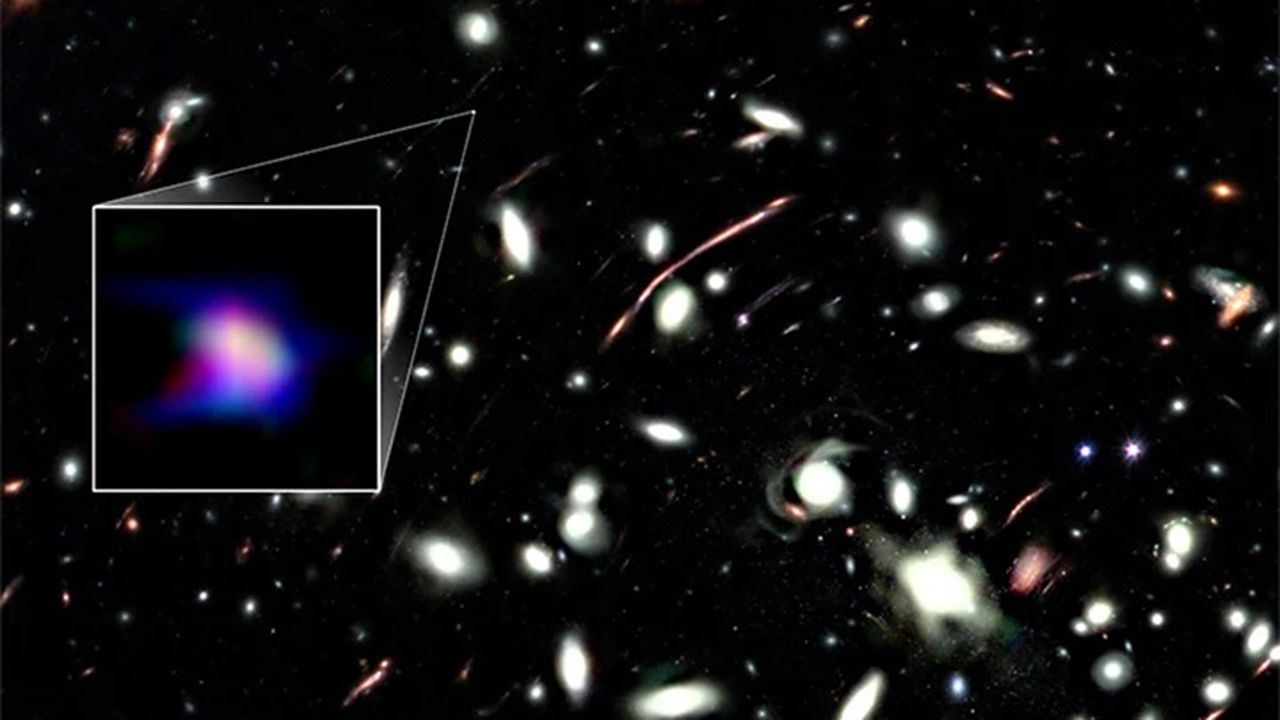
The James Webb telescope has successfully peered into an ancient spot of light, leading to a significant discovery within the cosmos. According to a Live Science report titled "'Astonishing': James Webb telescope spots the most chemically primitive galaxy in the ancient universe," the telescope has identified a unique celestial object. This object has been confirmed to be the most chemically primitive galaxy in the ancient universe.
Scientists and astronomers analyze such findings to understand the composition of the early universe. The galaxy observed by the James Webb telescope has been defined as the most metal-poor galaxy in the early universe. This specific distinction of being metal-poor is central to the findings. The summary indicates that the James Webb telescope peered into the ancient spot of light and found it to possess this specific chemical characteristic.
The discovery of the most chemically primitive galaxy highlights the capabilities of modern space observation technology. By focusing on an ancient spot of light, the telescope was able to distinguish this galaxy as the most metal-poor galaxy in the early universe. The Live Science title describes the spotting of this galaxy as "astonishing," emphasizing the rarity of such a find. The identification of the most chemically primitive galaxy provides factual insight into the ancient universe, confirming the presence of a metal-poor galaxy in that specific epoch.
We don't rate truth. We strip the spin and show you which perspectives covered the story. You decide.
Read the original coverage
💬 Comments
📜 Comment Policy