Israel's Election Held as Netanyahu and Eisenkot Vie for Prime Minister
AI-synthesized · Bias removed · Facts only
2 sources: 2 left · 0 center · 0 right
Facts are sacred. Opinion is labelled.
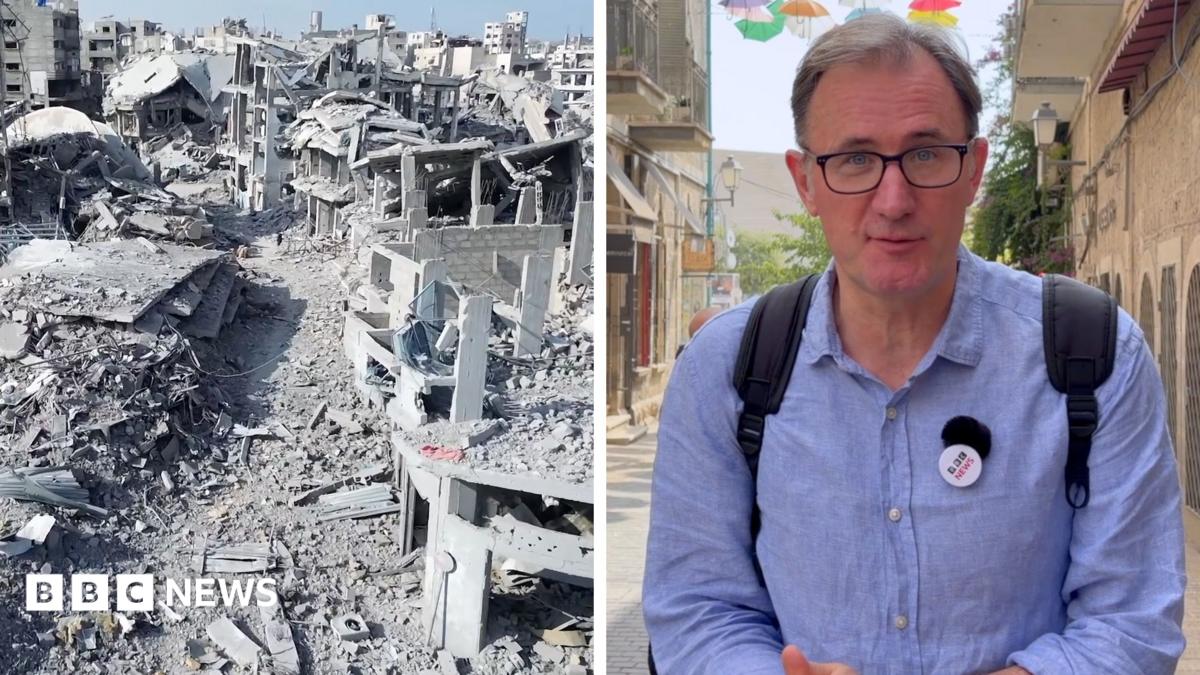
Image: Bbc Us
Israelis are voting in an election widely considered pivotal, with incumbent Benjamin Netanyahu and former military chief Gadi Eisenkot in a close race to become prime minister. Polling published Friday indicates a near tie between the two candidates. After polls close Tuesday, a period of coalition building is expected to determine the next prime minister.
The election takes place against the backdrop of the ongoing conflict in Gaza and the occupied West Bank. The BBC reports that the election is one of the most pivotal in the country's history, but does not detail specific policy differences between Netanyahu and Eisenkot regarding Gaza or the West Bank. PBS NewsHour notes that the jostling for power will begin immediately after polls close, as parties attempt to form a governing coalition. No sources detail the specific platforms of either candidate beyond their roles as incumbent and former military chief, respectively. No right-leaning outlet reported this story.
No sources detail the specific issues driving voter decisions, nor the potential impact of the election outcome on the conflict in Gaza or the occupied West Bank.
What is not yet known
- The specific policy positions of Netanyahu and Eisenkot regarding Gaza and the occupied West Bank are not detailed.
- The key issues driving voter decisions are not reported.
- The potential impact of the election outcome on the conflict in Gaza or the occupied West Bank is not detailed.
Background
- Israel held its most recent election on October 27, 2026, with a high turnout and a tight race between Benjamin Netanyahu and Gadi Eisenkot, requiring coalition negotiations to form a government [Fact Refinery, 2026-10-27].
- Benjamin Netanyahu has been a dominant figure in Israeli politics, previously serving as prime minister beginning in 1996, and is currently seeking re-election with a coalition of hard-right and ultra-Orthodox parties [Fact Refinery, 2026-10-26].
- The current election takes place against the backdrop of the ongoing conflict in Gaza and the occupied West Bank, following the October 7, 2023 Hamas-led attacks that killed nearly 1,200 people and led to 251 hostages being taken to Gaza [Fact Refinery, 2026-10-27].
- Gadi Eisenkot leads the “change bloc,” a diverse group of parties opposing Netanyahu, including both right-wing and left-leaning members [Fact Refinery, 2026-10-27].
Our reading
Our reading is that this election is exceptionally close, with the outcome hinging on coalition building rather than a clear mandate for either Netanyahu or Eisenkot. The lack of detailed reporting on specific policy differences, combined with the emphasis on security issues following the October 7th attacks, suggests voters may be prioritizing stability and perceived strength over ideological shifts. The absence of coverage from right-leaning outlets is notable, potentially indicating a strategic choice in media framing.
What to watch
- The composition of the governing coalition formed after polls close, specifically which parties join forces with either Netanyahu or Eisenkot [PBS NewsHour, as reported in article].
- Official results of the election, to determine if either candidate secures a majority or requires coalition negotiations [Fact Refinery, 2026-10-27].
- Any statements from the Central Elections Committee regarding voter turnout numbers, which could indicate shifts in support [Fact Refinery, 2026-10-27].
💬 Comments
📜 Comment Policy