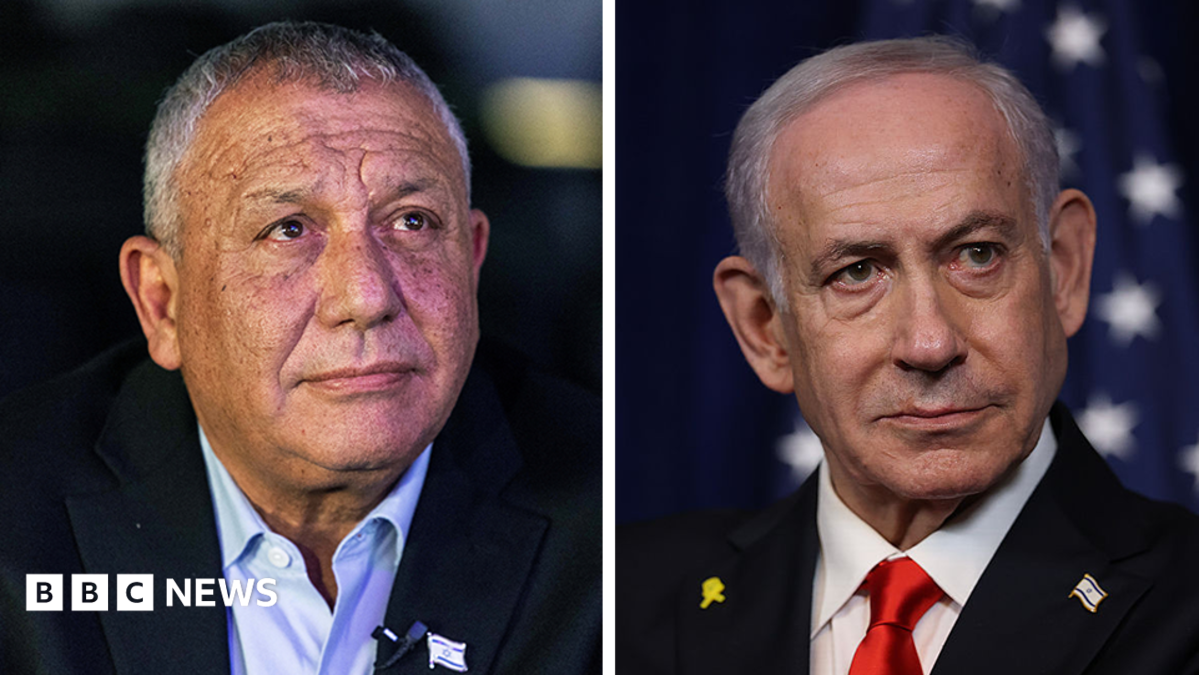
Turnout in Israel’s election reached its highest level since 1981, as Israelis voted in a contest widely viewed as pivotal for the country’s future. Incumbent Prime Minister Benjamin Netanyahu and former military chief Gadi Eisenkot are in a tight race, but neither is projected to secure the 61 seats needed for a majority government, suggesting a period of coalition negotiations. The election has been dominated by issues of security, following the October 7 Hamas-led attacks that killed nearly 1,200 people and led to 251 hostages being taken to Gaza, and concerns over the state of Israeli democracy amid Netanyahu’s ongoing corruption trial and proposed judicial reforms.
Early voter turnout stood at 16.68% by 10 am local time, with over 1,200,000 Israelis having cast their ballots, according to the Central Elections Committee. Eisenkot leads the “change bloc,” a diverse group of parties united by their opposition to Netanyahu, including right-wingers Naftali Bennett and Avigdor Lieberman, and left-leaning former general Yair Golan. Netanyahu, who previously served as prime minister beginning in 1996, is seeking to form a government with the hard-right and ultra-Orthodox parties that currently comprise his coalition, the most right-wing in Israel’s history.
Two Arab party blocs are also participating, potentially holding the balance of power, though most Jewish parties have ruled out partnering with them. The opposition has criticized Netanyahu’s government for the security failures leading up to the Hamas attacks, demanding an independent inquiry which he has resisted, and has highlighted concerns about threats to democracy. Netanyahu has defended his record, emphasizing his experience with security matters and his relationship with former US President Donald Trump.
The outcome of the election remains uncertain, with the potential for prolonged negotiations to form a governing coalition. The composition of that coalition will likely determine the future direction of Israel’s security policy and its democratic institutions.
Our reading is that this election is deeply contested, with security and the future of Israeli democracy as central concerns for voters. The high turnout suggests significant engagement from the electorate, likely driven by the recent security failures and the ongoing political turmoil surrounding Netanyahu. The projected need for coalition negotiations indicates a fragmented political landscape and the potential for a prolonged period of instability.
Read the original coverage
💬 Comments
📜 Comment Policy