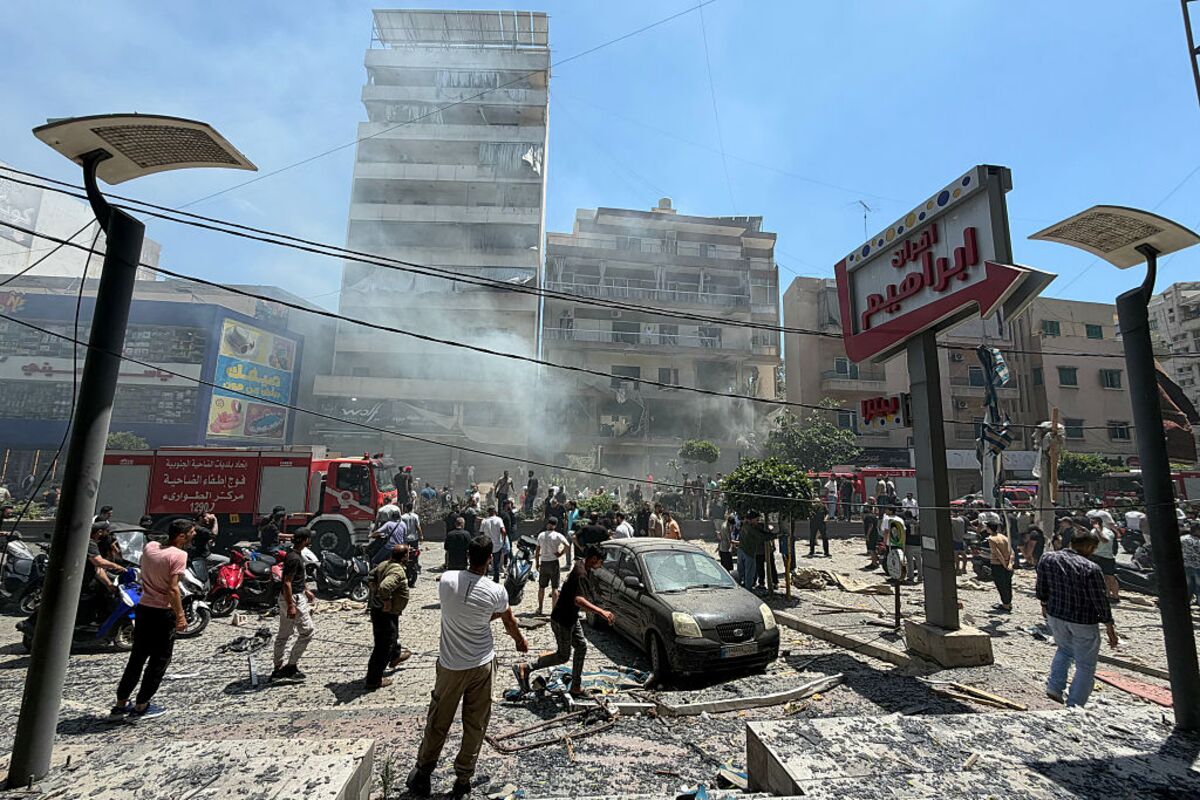
The Israel Defense Forces (IDF) conducted airstrikes in the southern suburbs of Beirut, Lebanon, on Sunday. The military stated that the operation was a response to drone incursions launched by Hezbollah into Israeli territory. This escalation in hostilities occurs as diplomatic efforts between the United States and Iran move toward an interim agreement.
According to reports from Bloomberg, Israel bombed the Lebanese capital citing Hezbollah drones as the primary justification for the attack. The news outlet noted that these actions are escalating regional tensions at a time when the United States and Iran, with Iran acting as a patron to Hezbollah, are nearing an interim peace deal. The timing of the military strikes has drawn attention due to the concurrent diplomatic trajectory between Washington and Tehran.
The Washington Examiner reported that the IDF targeted Hezbollah positions in Beirut’s suburbs on Sunday. This action followed statements by Israeli Prime Minister Benjamin Netanyahu, who asserted that Hezbollah had launched three projectiles into southern Israel. In response to these incursions, Israel initiated the strikes. The outlet highlighted that Prime Minister Netanyahu framed the military operation as a direct countermeasure to the perceived threat posed by Hezbollah's activities along the border.
Lebanese state news agency LNA provided casualty figures resulting from the Israeli airstrikes. The agency reported that two individuals were killed in the attacks on Beirut’s southern suburbs. These figures represent the confirmed human cost of the military engagement as reported by local authorities at the time of the incident.
The sequence of events indicates a direct correlation between the reported drone and projectile launches from Lebanon into Israel and the subsequent Israeli military response. Prime Minister Netanyahu’s public attribution of the projectiles to Hezbollah serves as the stated casus belli for the IDF's operations in Beirut. Meanwhile, international observers are monitoring the situation closely given the broader geopolitical context involving US-Iran negotiations.
The convergence of military escalation and diplomatic negotiation presents a complex dynamic in the region. While Israel cites immediate security threats from Hezbollah as the driver for its military actions, the backdrop of potential US-Iran agreements suggests that regional stability is being tested by both kinetic conflict and high-level diplomacy. The killing of two people in Beirut underscores the tangible impact of these cross-border tensions on civilian populations.
Current status of the situation involves ongoing Israeli military presence in the area and continued diplomatic talks between the United States and Iran. It remains to be seen how the interim deal negotiations will proceed in light of the recent escalation in Lebanon. The IDF has not provided further details regarding the extent of damage to Hezbollah infrastructure or additional casualties beyond those reported by Lebanese media.
Read the original coverage
💬 Comments
📜 Comment Policy