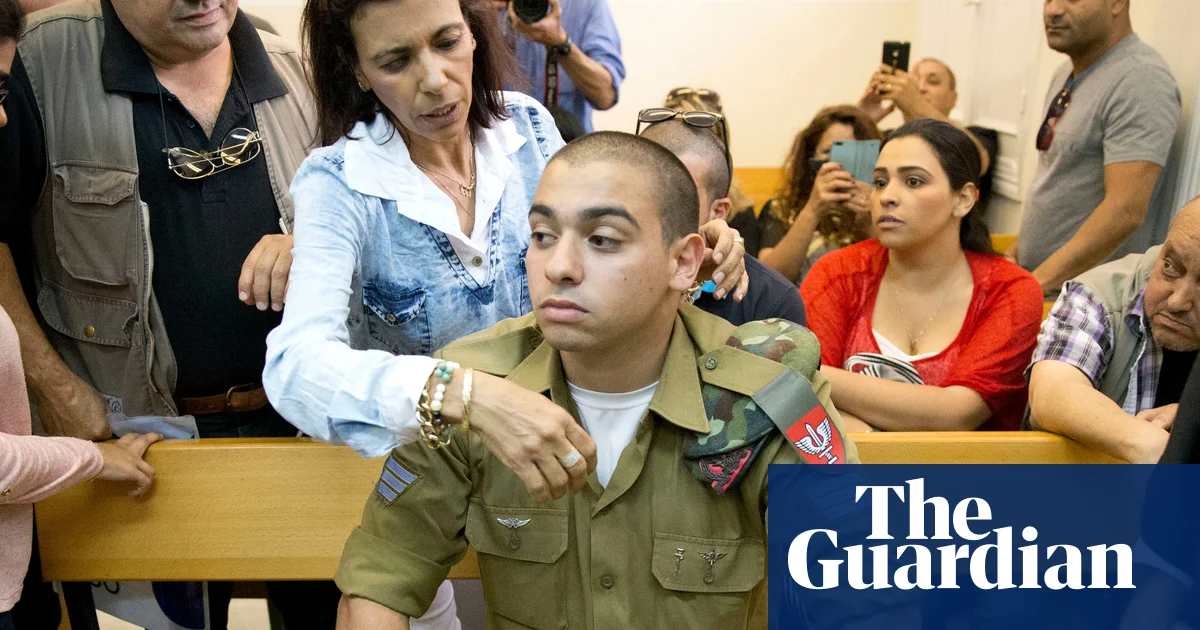
Israel’s President Isaac Herzog has pardoned Elor Azaria, a former soldier convicted of manslaughter for shooting dead a wounded Palestinian, Abdel Fattah al-Sharif, in Hebron in 2016. The decision, made on the recommendation of Defense Minister Israel Katz and ahead of Yom Kippur, has drawn both praise and criticism. Azaria shot al-Sharif after he had already been incapacitated following a stabbing attack on an Israeli soldier. A mobile phone video captured the shooting. Azaria served nine months of an 18-month sentence before being released. His conviction was rare for a soldier acting in the field, and prompted public debate and protests. While Herzog’s office stated the pardon does not reassess the case and considered Azaria’s expression of sorrow, Lt. Gen. Eyal Zamir, the military’s chief of staff, opposed the pardon, arguing Azaria had not taken responsibility for his actions. Hard-line National Security Minister Itamar Ben-Gvir welcomed the decision, while some Palestinians and human rights groups maintain the original sentence was too lenient. The Biden administration previously barred Azaria and his family from entering the US, citing a “gross violation of human rights.”
In 2017, Azaria was convicted by a military court and sentenced to 18 months in prison, later reduced to 14 months. He had initially called the shooting an “operational error” in a request for clemency. Katz described the pardon as a “right, humane, and fitting decision,” while Herzog cited the passage of time and the approaching Day of Atonement as factors. The decision follows a request from Katz in July. Some reports indicate the military opposed the move, with senior officers noting Azaria’s lack of remorse.
The case divided Israel a decade ago, with top generals pushing for prosecution while many in the public supported Azaria amid a series of attacks by Palestinians and Israeli Arabs. The Palestinian government previously dismissed the sentence as a “joke.”
Our reading is that this pardon, issued despite opposition from military leadership, signals a prioritization of political considerations over established military justice protocols. The timing, ahead of Yom Kippur, and the stated rationale of the passage of time, appear to be attempts to soften the controversial nature of the decision. The differing emphasis in reporting, particularly regarding Azaria’s remorse, highlights the deep divisions surrounding the case and the selective framing employed by different media outlets.
Read the original coverage
💬 Comments
📜 Comment Policy