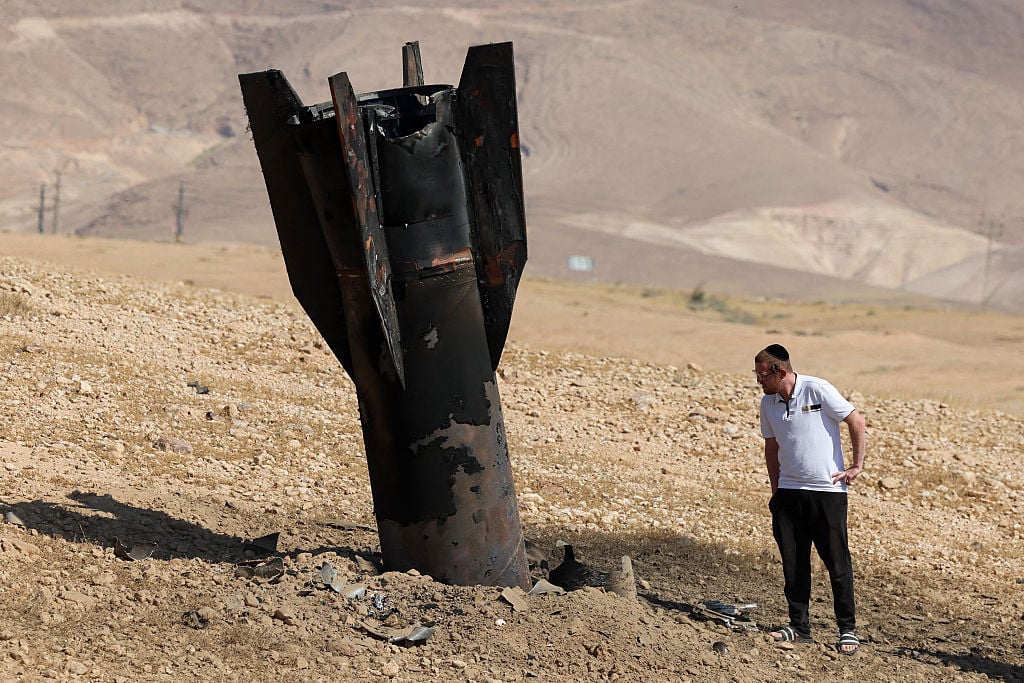
Israel and Iran exchanged military strikes late Sunday and early Monday, marking a significant escalation in direct hostilities between the two nations. According to Time magazine, this exchange represents the largest increase in direct fighting since a cease-fire involving the United States took effect in April. The renewed combat has prompted immediate diplomatic statements from both sides and drawn attention to broader regional tensions.
Iranian officials have directed blame toward the United States for the breakdown of the truce. As reported by RT, Iran stated that the United States is responsible for Israeli breaches of the ceasefire agreement. In response to the escalating violence, Iranian forces launched multiple missiles into Israel over its coastal regions. The outlet noted that Tehran has consistently framed its military actions as a direct reaction to what it characterizes as violations of the established cease-fire terms by Israeli authorities.
On the diplomatic front, President Donald Trump addressed the conflict by instructing both parties to "stop shooting." Time magazine reported that the renewed hostilities are testing a claim made by Trump regarding American influence in Middle Eastern affairs. The outlet highlighted that the president has previously asserted that the United States "calls the shots" in regional negotiations and military operations. The current exchange of fire challenges that assertion, as both Israel and Iran have proceeded with direct strikes independent of immediate U.S. intervention to halt the fighting.
The timing of the escalation is notable given the recent diplomatic framework. The cease-fire that took hold in April was intended to de-escalate tensions between the two nations and establish a framework for monitoring compliance. Iranian officials argue that the current breach undermines the agreement, while Israeli authorities have not issued a detailed public response in the provided reporting. U.S. officials are monitoring the situation as diplomatic channels remain active.
The reporting from both outlets underscores the divergent narratives surrounding the conflict. Time magazine focused on the strategic implications for U.S. foreign policy, noting how the direct exchange complicates diplomatic leverage. RT emphasized Iran's official position, detailing Tehran's accusation that Washington failed to enforce the truce terms. Both sources confirmed the timeline of the strikes and the immediate regional response.
As of Monday morning, the region remains in a state of heightened alert. Diplomatic efforts are ongoing as both Washington and regional actors assess the durability of the April cease-fire. The situation continues to develop, with further statements from Iranian and Israeli authorities expected in the coming hours.
Read the original coverage
💬 Comments
📜 Comment Policy