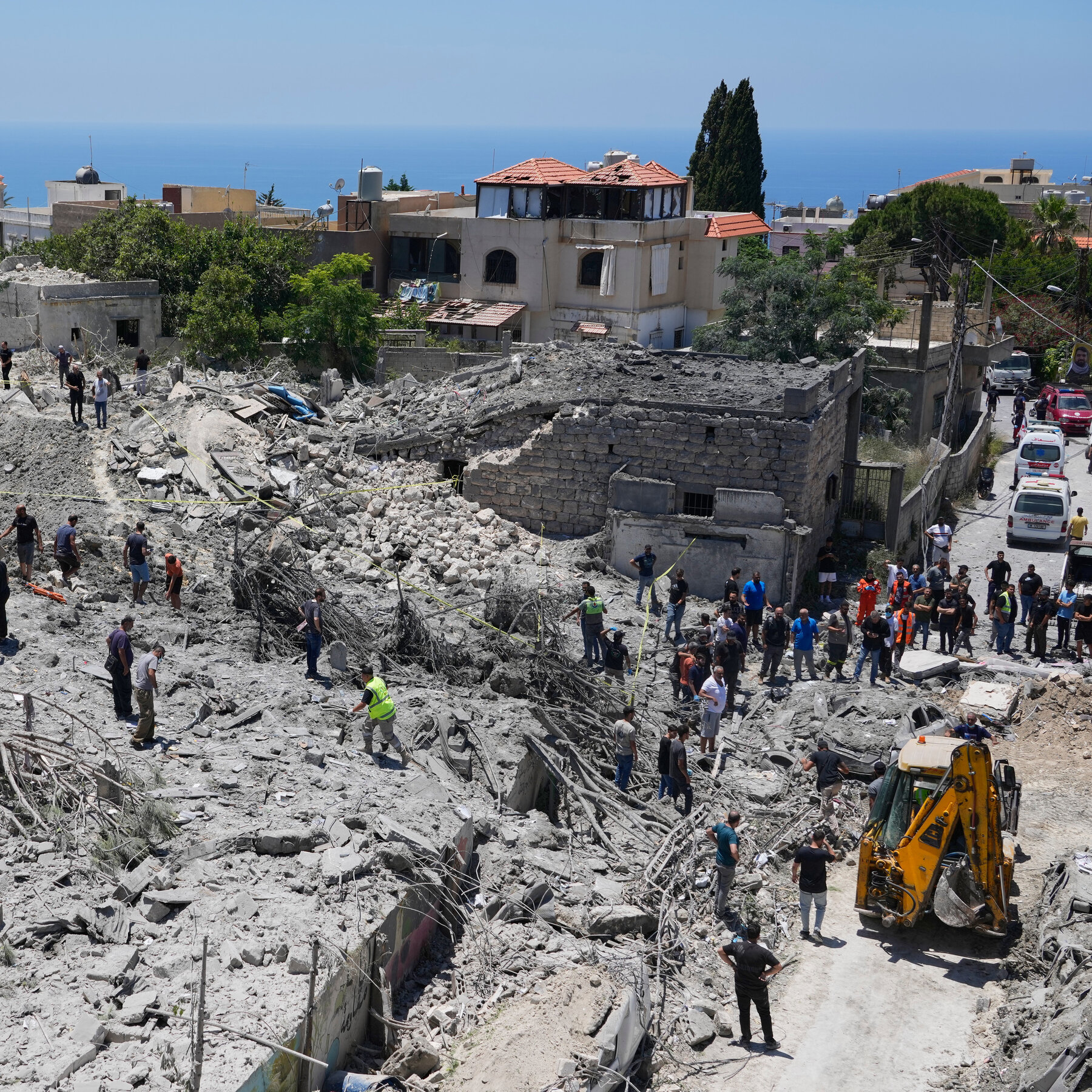
For the second time in two days, Lebanon found itself at the center of discussions regarding whether a fragile U.S.-Iran deal would hold. Conflict erupted in southern Lebanon on Saturday between Israel and Hezbollah within hours of the two sides reaching a cease-fire. Despite the agreement, fighting resumed, highlighting the instability of the truce and the ongoing tensions in the region.
The Lebanese Civil Defense reported that 16 people were killed in Israeli attacks amid exchanges of fire with the Iran-backed group. The resumption of hostilities occurred shortly after diplomatic efforts led to a critical truce between Israel and Hezbollah. However, the peace was short-lived, as combat operations restarted almost immediately following the announcement of the cease-fire.
This incident marks a significant challenge to the broader geopolitical framework involving the United States and Iran. The recurring violence in Lebanon underscores the difficulty of maintaining stability in the region amidst complex international negotiations. The timing of the conflict, occurring just hours after the truce was established, suggests that underlying tensions remain high despite diplomatic interventions.
The involvement of Hezbollah, an Iran-backed group, adds another layer of complexity to the situation. The group's actions are closely watched by international observers due to its ties to Iran and its role in regional conflicts. The killing of 16 people in Israeli attacks further illustrates the human cost of the ongoing dispute and the challenges faced by local civil defense efforts.
The U.S.-Iran deal, which has been a subject of intense scrutiny, is now being tested by these developments. The fragility of the agreement is evident as both sides continue to engage in military operations rather than adhering to the terms of the cease-fire. This raises questions about the enforceability and sustainability of such diplomatic arrangements in the face of immediate security concerns.
As the situation evolves, international attention remains focused on Lebanon and its role in the broader Middle Eastern conflict. The repeated breakdowns of cease-fires indicate a persistent cycle of violence that has yet to be resolved through diplomatic means. The impact on local populations, including those affected by the recent attacks, continues to be a critical concern for humanitarian organizations and regional stability efforts.
In conclusion, the resumption of fighting between Israel and Hezbollah in Lebanon demonstrates the ongoing volatility in the region. Despite attempts to establish peace through cease-fires and international deals, the reality on the ground remains one of continued conflict. The death toll reported by Lebanese Civil Defense serves as a stark reminder of the consequences of these hostilities. Future developments will likely depend on the ability of regional actors and international mediators to address the root causes of this instability.
Read the original coverage
💬 Comments
📜 Comment Policy