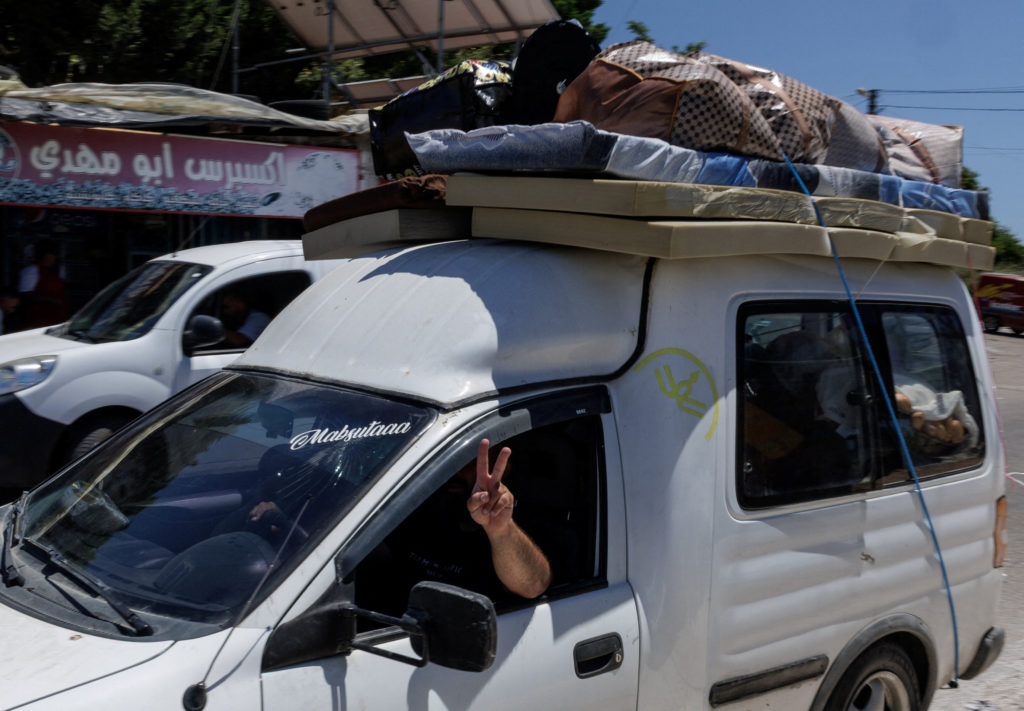
Israel and Hezbollah militants continued intense fighting in southern Lebanon on Saturday, despite both sides having agreed to a renewed ceasefire. The resumption of hostilities occurred hours after reports emerged that a diplomatic agreement had been reached, raising concerns among international observers regarding the stability of a broader U.S.-Iran memorandum of understanding. Israeli strikes targeted areas in southern Lebanon, resulting in casualties, while Hezbollah forces launched projectiles into Israeli territory.
According to reporting from NPR, Israeli strikes on Saturday killed at least seven people in southern Lebanon, including two children. These fatalities occurred shortly after initial reports indicated that a ceasefire agreement had been secured. The timing of the violence has drawn attention to the fragility of the diplomatic efforts aimed at de-escalating the conflict in the region.
The Washington Examiner reported that the fighting persisted into Saturday, putting the U.S.-Iran Memorandum of Understanding in jeopardy. This diplomatic framework is viewed by some analysts as a critical component of regional stability. The continued exchange of fire between Israel and Hezbollah threatens to undermine the initial U.S.-Iran agreement intended to end the war, suggesting that military actions on the ground are proceeding independently of high-level diplomatic negotiations.
The BBC World service noted that deaths were reported in southern Lebanon following the ceasefire announcement. The Israel Defense Forces (IDF) stated that it had struck "Hezbollah terrorist targets" after the group fired over 50 projectiles at Israeli forces. This attribution by the IDF provides a specific justification for the military response, characterizing Hezbollah's actions as aggressive provocations that necessitated a retaliatory strike despite the ceasefire framework.
Channel 4 News reported that former President Donald Trump pressured Israel into entering the ceasefire deal with Hezbollah. The outlet highlighted that the continued fighting in Lebanon had threatened to derail Trump's agreement with Iran. This reporting suggests that external diplomatic pressure, specifically from the U.S. administration, played a role in the initial negotiation of the ceasefire, and that the subsequent breakdown of that ceasefire poses a direct challenge to those diplomatic objectives.
The situation remains volatile as both military and diplomatic tracks operate simultaneously. While agreements have been announced, the physical reality on the ground involves ongoing strikes and casualties. The conflict between Israel and Hezbollah continues to have significant implications for U.S. foreign policy, particularly regarding its relationship with Iran. The ability of all parties to adhere to the ceasefire terms remains uncertain as fighting persists in the border regions.
No right-leaning sources reported on this story.
Read the original coverage
💬 Comments
📜 Comment Policy