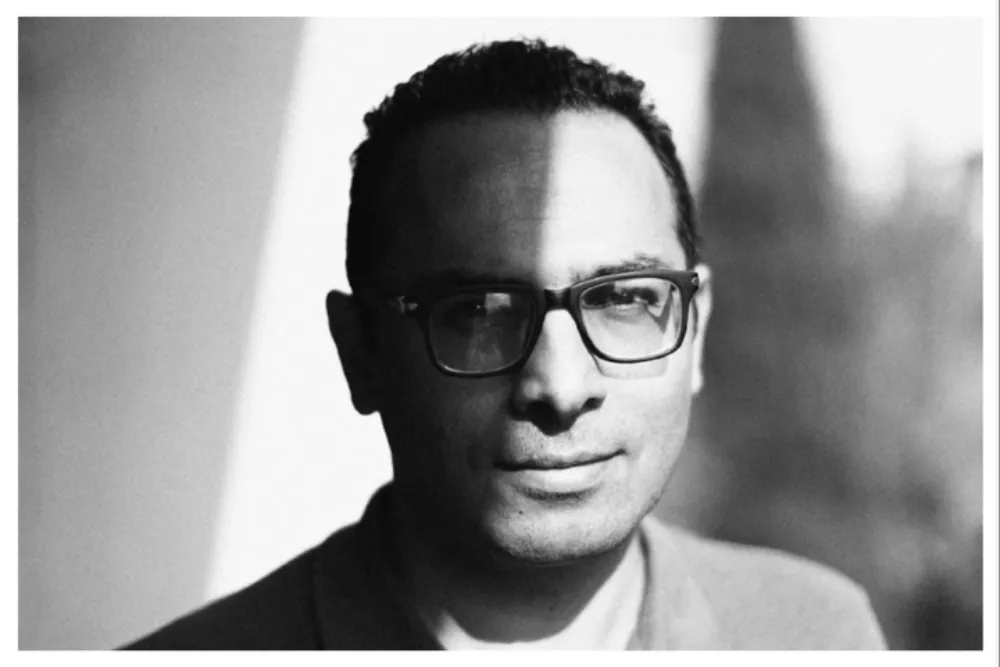
Iranian director Ali Asgari premiered his sixth feature film, “A Bit of Light,” at the Venice Film Festival, reflecting a sense of disillusionment with the future in Iran following recent events. The film centers on a doctor, played by Misagh Zareh, grappling with despair and preparing to end his life, but prioritizing informing his family first.
Asgari stated, “In Iran, we don’t have high hopes for the future anymore,” explaining that years of waiting for positive change have yielded disappointment. He focuses instead on “these small specks of light,” believing they are essential for continued progress. The director noted that the film is a “celebration of simple things,” which he feels are being overlooked in Iran amidst ongoing “disaster” and a constant expectation of “something horrible to happen.” He hopes the film will inspire viewers to reconnect with loved ones, stating, “If after watching this film someone goes to their mother and takes her hand, that’s enough.”
The film’s protagonist is a doctor who becomes disillusioned after his arrest and the subsequent closure of his medical practice. Asgari drew inspiration from doctors in Iran who witnessed the aftermath of the January massacre, where authorities opened fire on protestors. “Some doctors in Iran were the only witnesses to what was really happening after the massacre in January. They faced so much death and saw so many injured. We couldn’t even talk about it,” he said. He observed the profound impact on families mourning their children and portrays a character who feels compelled to prepare his own family for his decision.
Asgari intentionally adopted a minimalist approach to portraying the doctor’s internal struggles, instructing Misagh Zareh to convey sadness and depression primarily through his eyes and facial expressions. He was influenced by Italian neorealism, particularly the work of screenwriter Cesare Zavattini, and sought to depict everyday life in Iran, drawing parallels to post-war Italy. He described the current situation as “a horrible tragedy: war and massacres,” emphasizing the importance of focusing on normal life. The film acknowledges the surrounding turmoil, characters discuss current events like Donald Trump, but prioritizes the continuation of daily routines.
Asgari likened life in Iran to the myth of Sisyphus, endlessly repeating a futile task. “This man decides to act because nothing has changed,” he explained.
Read the original coverage
💬 Comments
📜 Comment Policy