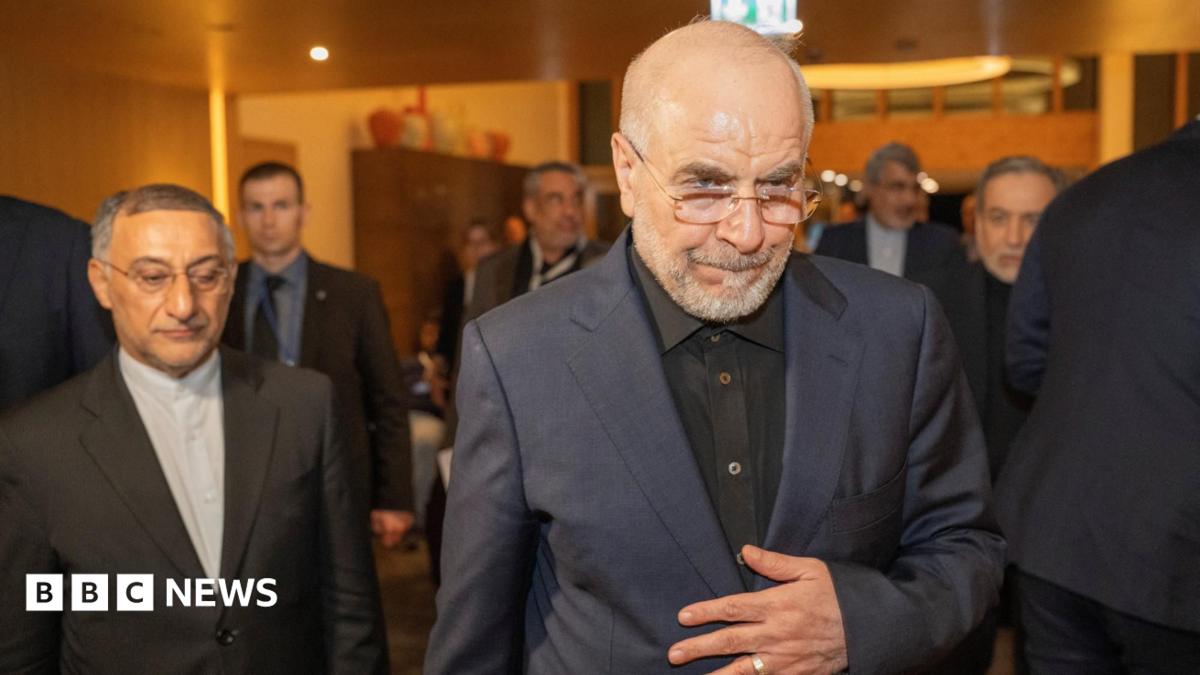
Iran’s chief negotiator stated that the U.S. midterm election results reflect American rejection of war, as Republican losses are attributed in part to the conflict with Iran. Vice President JD Vance explicitly blamed the war for the GOP’s defeats, stating voters prioritized ending the conflict, cost of living, and a shift in U.S.-Israel relations. Despite this, President Trump maintained he would “do it again” and the conflict continues, with Iran’s Revolutionary Guard claiming to have downed another U.S. drone and reporting fires on four oil tankers in the Strait of Hormuz. The UK Maritime Trade Operations center confirmed one tanker was struck by projectiles, but BBC Verify found no evidence supporting the IRGC’s claim of four tankers being destroyed. Amidst the ongoing conflict, reports indicate President Trump has questioned the future of Defense Secretary Pete Hegseth and Admiral Brad Cooper, head of U.S. Central Command, following the midterm results, with some anticipating blame for the losses. Iran’s Supreme Leader, Mojtaba Khamenei, expressed skepticism that U.S. policy would change, warning of wider conflict if hostilities resume.
Mohammad Bagher Ghalibaf, Iran’s chief negotiator, wrote on X that Iran “endorses” the message from American voters and warned that betraying the public will would result in “a Nightmare.” Trump acknowledged the war contributed to Republican losses but insisted he did not regret launching the joint attack with Israel in February. He stated the conflict would end “when I say it ends.”
The Islamic Revolutionary Guard Corps (IRGC) reported on Wednesday that four oil tankers caught fire after hitting naval sea mines in the Strait of Hormuz, with two still burning and two intercepted. The IRGC also claimed to have shot down another U.S. MQ-9 drone over the Strait of Hormuz, a claim made previously on Monday.
Our reading is that Iranian officials are attempting to leverage the outcome of the U.S. midterm elections to bolster their position in the ongoing conflict. They present the results as a rejection of the war by the American public, hoping to create pressure for a shift in U.S. policy. While acknowledging Trump’s continued defiance, Iran’s leadership appears skeptical that a meaningful change will occur, anticipating continued hostilities.
Read the original coverage
💬 Comments
📜 Comment Policy