Iran's top joint military command, Khatam al-Anbiya Central Headquarters, announced on Saturday that it has closed the Strait of Hormuz to vessel traffic. The announcement came just three days after the waterway had reopened, signaling a rapid escalation in regional tensions. Tehran cited alleged violations of a recently negotiated memorandum of understanding (MOU) and ceasefire agreements by the United States and Israel as the primary justification for the closure.
According to reports from Iran's state media and military channels, the decision was framed as a response to what Iranian officials described as aggression and breaches of diplomatic commitments. The Khatam al-Anbiya Central Headquarters stated in a statement posted on Saturday that the closure was necessary due to these violations. This move has raised concerns about the stability of global energy supplies, given the strategic importance of the Strait of Hormuz, through which a significant portion of the world's oil passes.
In response to Iran's announcement, U.S. Vice President J.D. Vance stated that there was no evidence that the Strait had been shut down. His comments suggested a discrepancy between Iranian claims and the observable reality on the ground or in maritime monitoring systems. Despite this denial from U.S. leadership, multiple sources confirmed that Iran had issued warnings and taken steps to restrict vessel traffic.
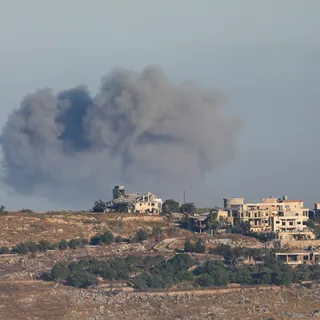
The geopolitical context of this event is rooted in ongoing conflicts in Lebanon. Reports indicate that five people were killed in recent Israeli strikes in Lebanon, contributing to the fragile security environment. Pakistan's interior minister traveled to Tehran for meetings regarding Iran-U.S. talks, highlighting diplomatic efforts to de-escalate the situation. However, the exchange of fire between Hezbollah and Israel continues to underscore the fragility of the latest ceasefire agreement.
Iranian military officials warned that further measures would be taken if "aggression" continued. This warning was echoed by various outlets reporting on the closure, with some describing the Iranian stance as a chilling warning to both the U.S. and Israel. The situation remains volatile, with international observers monitoring the developments closely for any signs of broader conflict.
The closure of the Strait of Hormuz represents a significant escalation in the ongoing dispute between Iran and Western powers. While the U.S. government denies the effectiveness or existence of a shutdown, Iran's military command asserts control over the waterway. The incident has drawn attention from global markets and diplomatic corps alike, as stakeholders assess the potential impact on international trade and regional security.
As of Saturday, the Strait remained closed to vessel traffic according to Iranian authorities. The situation is developing rapidly, with diplomatic channels active but no immediate resolution in sight. The interplay between military posturing and diplomatic negotiations will likely determine the next steps in this crisis.
Read the original coverage
💬 Comments
📜 Comment Policy