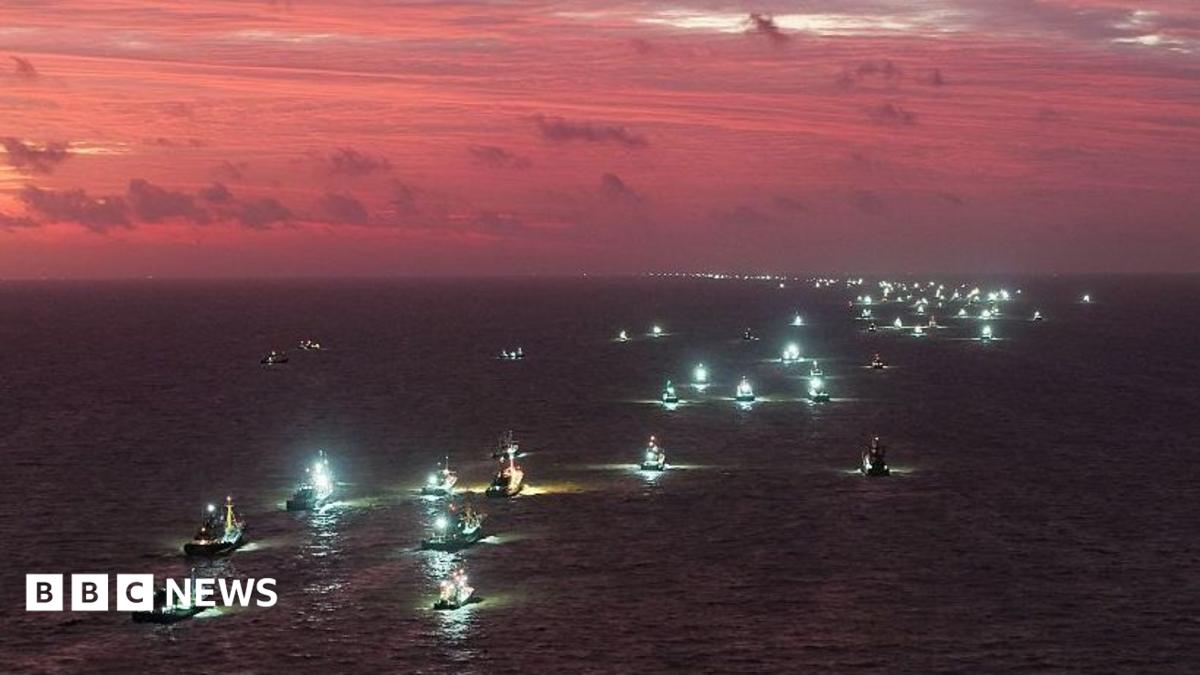
East Asia has experienced an unusually intense wave of typhoons in recent months, causing widespread disruption and damage across the Philippines, Taiwan, China, and Japan. The storms are being exacerbated by the El Niño weather pattern, which the UK Met Office forecasts will be the “strongest in living memory” and likely last until February or March.
In October, Taiwan nearly shut down as Typhoon Champi, with winds of 295km/h (193mph), approached. While the storm skirted the island, it cancelled hundreds of flights in Hong Kong, Taiwan, and Japan, and caused seaside highways to close in the Philippines’ Batanes archipelago. Okinawa, Japan, experienced power outages affecting 15,000 homes. June saw Japan brace for simultaneous typhoons Mekkhala and Higos, prompting the evacuation of one million people. In July, Tropical Storm Narra impacted China's southern coast, displacing tens of thousands. August brought Super Typhoon Dolphin, which triggered flooding and casualties in eastern China, followed by Typhoon Saudel, which made landfall in three Chinese cities within a week, disrupting transport.
The Pacific Ocean is exhibiting record-high temperatures due to El Niño, resulting in a nearly double increase in the Accumulated Cyclone Energy (ACE), a measure of total storm intensity, compared to the 30-year average. El Niño is also altering wind patterns, causing typhoons to form further east and strengthen as they remain over warmer waters for longer periods. Ana Liza Solis, head of climatology at the Philippines' national weather bureau, likened the Pacific Ocean to someone “burning with fever,” warning it “can go into convulsions soon.” The current El Niño is expected to continue through February or March, and forecasts suggest the heightened typhoon activity may persist.
Our reading is that East Asia is currently experiencing an unusually severe typhoon season, directly linked to the intensification of the El Niño weather pattern. The article highlights not just the frequency of these storms, but also their intensity, demonstrated by the record-high ACE and the near shutdown of Taiwan. The comparison of the Pacific Ocean to a “burning with fever” suggests a potentially escalating crisis, and the forecast for continued El Niño activity implies this heightened typhoon activity is likely to persist.
Read the original coverage
💬 Comments
📜 Comment Policy