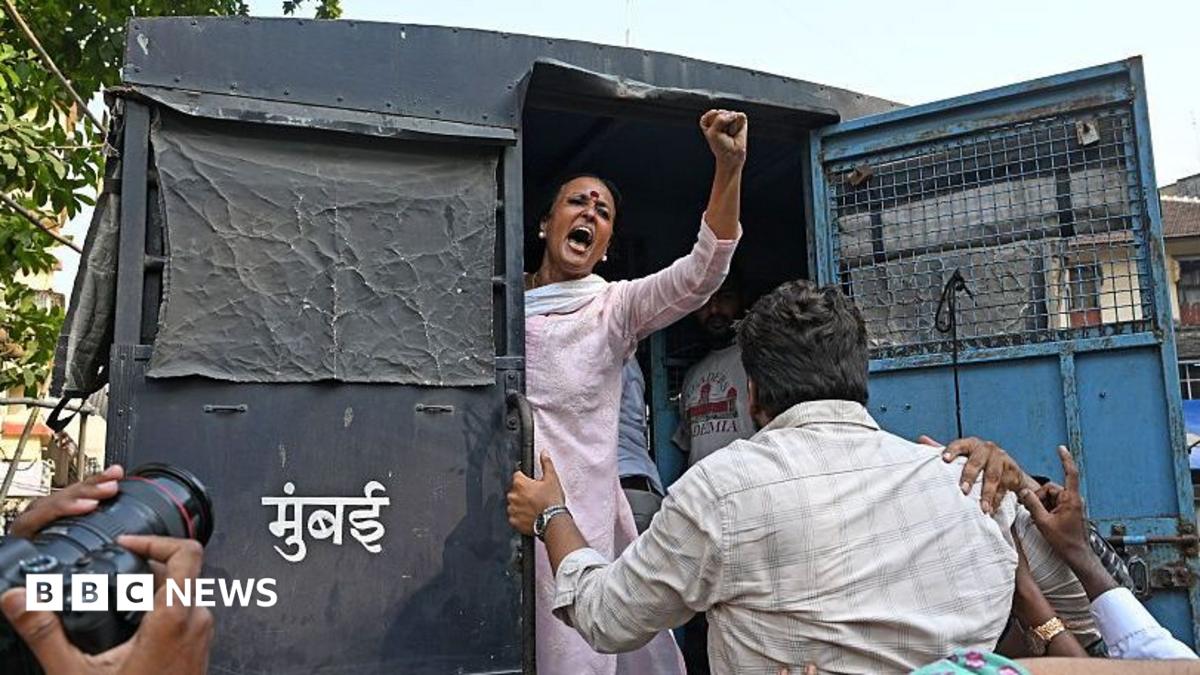
Leaders of India’s youth-led Cockroach Janta Party (CJP) were released from custody Sunday after being detained Saturday to prevent a protest in New Delhi, with demonstrations continuing for a second day. Abhijeet Dipke, Saurav Das, and Ashutosh Ranka were arrested upon arrival in Delhi and released by a court on the condition they maintain public peace for one year, a condition Dipke later said was removed. The CJP, formed after India’s Chief Justice likened some jobless young people to “cockroaches,” is demanding electoral reforms and the resignation of Chief Election Commissioner Gyanesh Kumar over alleged voter list manipulation, claims the Election Commission denies.
Saturday saw approximately 7,000 protesters detained and later released, while authorities imposed strict security measures including the closure of 45 metro stations, major railway stations, and internet curtailment in central Delhi. On Sunday, much of central Delhi remained barricaded with roads closed and internet services curtailed. Dipke, following his release, posted on X criticizing Prime Minister Modi and stating the CJP would not be intimidated, before traveling to his village to attend his grandmother’s funeral. Das and Ranka are scheduled to address a press conference in Delhi.
The CJP is not a registered political party and is seeking electoral reforms ahead of crucial state elections. The movement’s leaders were initially detained on their arrival in Delhi, with police boarding their flight to make the arrests. The planned protest at Jantar Mantar was prohibited by authorities, leading to a virtual lockdown of the city.
Our reading is that the CJP, despite lacking official party status, is demonstrating an ability to mobilize and sustain protest action, even in the face of significant police intervention. The authorities’ response, mass detentions, metro closures, and internet restrictions, suggests they perceive the group as a potential disruption, while the quick release of leaders and the removal of conditions on their release hints at a desire to avoid escalating the situation further. The leaders’ continued defiance, even amidst personal hardship, indicates a commitment to their cause.
Read the original coverage
💬 Comments
📜 Comment Policy