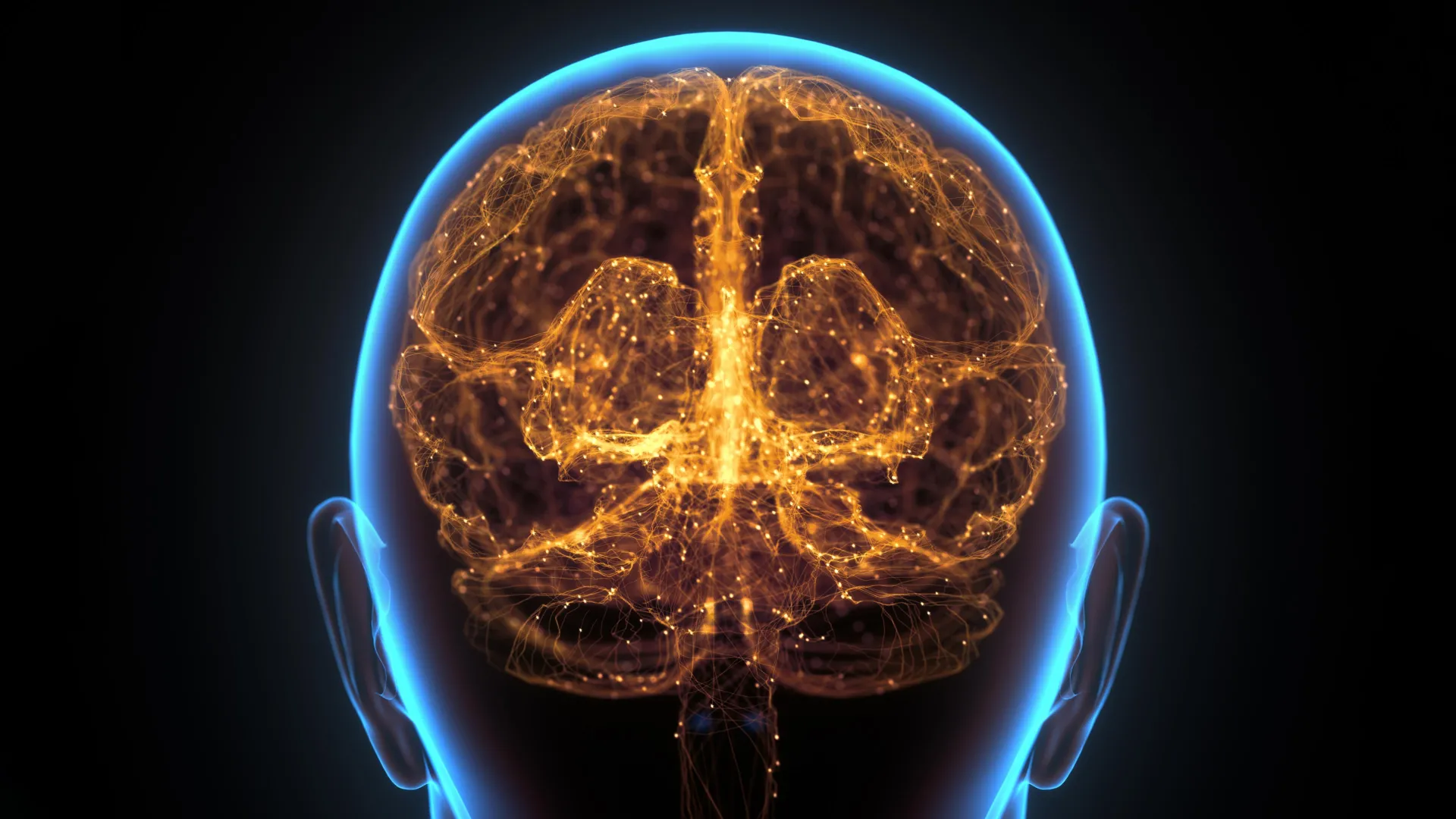
Researchers at Washington University School of Medicine in St. Louis have discovered previously unknown immune structures within the skull bone marrow of mice. These structures act as a rapid first response to brain cancer, potentially improving tumor rejection and survival. Evidence of similar immune cells was also found in human skull bone marrow.
The team, led by Jonathan Kipnis, PhD, the Alan A. and Edith L. Wolff Distinguished Professor of Pathology & Immunology and a BJC Investigator at WashU Medicine, identified these lymph node-like immune hubs. The findings, published in *Nature*, suggest the skull bone marrow is not merely structural but actively participates in brain-specific immune responses.
Earlier research from Kipnis’s laboratory revealed lymphatic vessels in the dura mater, the brain’s outer protective layer, and physical channels connecting the skull, dura, and brain tissue. These channels allow immune cells and waste to travel between the brain and skull bone marrow. In the recent mouse study, scientists tracked proteins moving from the brain through these channels into the skull bone marrow, where they discovered organized immune structures resembling lymph nodes.
Lymph nodes coordinate immune activity, with T follicular helper cells supporting B cells to produce antibodies. According to Kipnis, “This study reveals that the skull bone marrow is far more than just a structural framework -- it harbors previously unrecognized hubs for brain-specific immune responses.” He added, “Uncovering this localized immune niche changes how we view neuroimmune interactions and opens exciting new avenues for treating brain tumors and other neurological diseases.”
Read the original coverage
💬 Comments
📜 Comment Policy