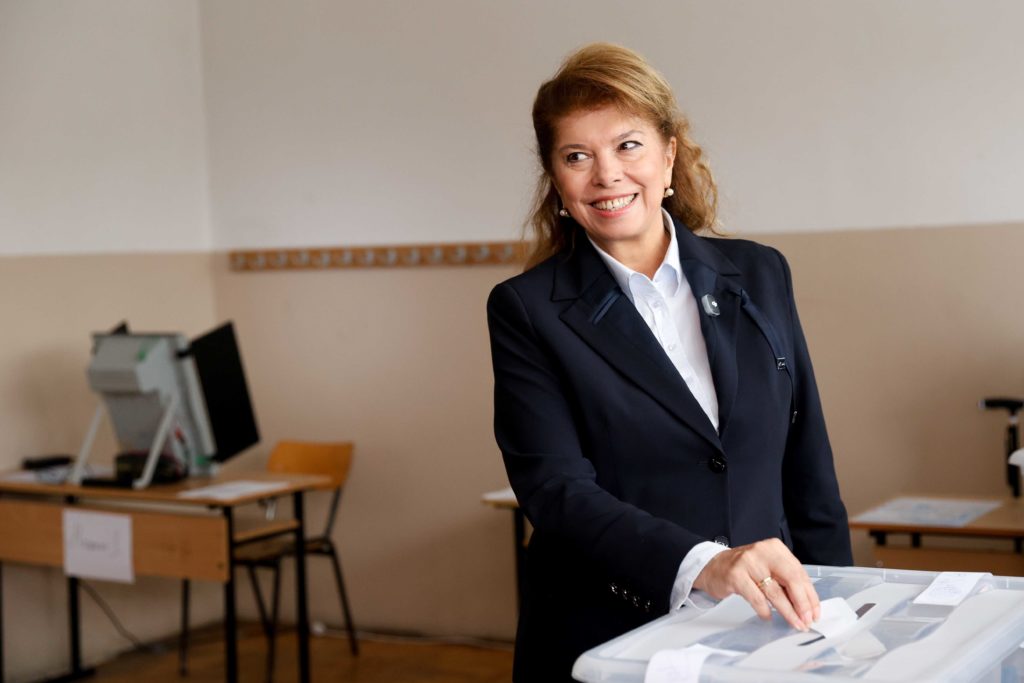
Iliana Yotova has won Bulgaria’s presidential runoff election, defeating caretaker Prime Minister Andrey Gyurov by a margin of 57.6% to 39.5%. The election, according to Prime Minister Rumen Radev, has been framed as a referendum on Bulgaria’s foreign policy, particularly its stance on the war in Ukraine. Yotova, who opposes military aid to Ukraine and favors dialogue with Russia, secured victory after initial polling suggested a tighter race. While Yotova led in pre-election polls with 44.5%, the first round of voting saw her receive 34.8% of the vote, closely followed by Gyurov at 31.95%, necessitating the runoff.
The campaign highlighted a generational and geographical divide within the Bulgarian electorate. Sociologist Dimitar Ganev of the Trend market and electoral research agency noted that younger voters (aged 18-40) favored Gyurov, while those over 40 tended to support Yotova. Gyurov also dominated in the capital, Sofia, while Yotova found stronger support in smaller regional cities and towns. Throughout the campaign, Yotova presented herself as a “president of peace,” stating at an October 6 rally, “As long as I am president, and if you place your trust in me, not a single Bulgarian soldier will go to Ukraine,” despite the constitutional authority to declare war residing with the parliament.
Gyurov primarily utilized social media for his campaign, while Yotova focused on rallies with supporters of the ruling Progressive Bulgaria party. Yotova attributed her win to focusing on issues of income and peace, echoing similar sentiments from Prime Minister Radev. The election results indicate a significant division within the Bulgarian electorate, with the war in Ukraine serving as a major point of contention. Former interim Prime Minister Andrey Gyurov conceded defeat.
Our reading is that Yotova’s victory reflects a significant division within the Bulgarian electorate regarding foreign policy, specifically concerning the war in Ukraine. The generational and geographical splits described suggest a deeper ideological conflict, with Yotova appealing to older voters in regional areas who seemingly prioritize “peace” and dialogue with Russia, while Gyurov attracts younger, urban voters. The focus on income alongside peace by both Yotova and Radev indicates a strategic attempt to connect foreign policy positions with domestic economic concerns.
Read the original coverage
💬 Comments
📜 Comment Policy