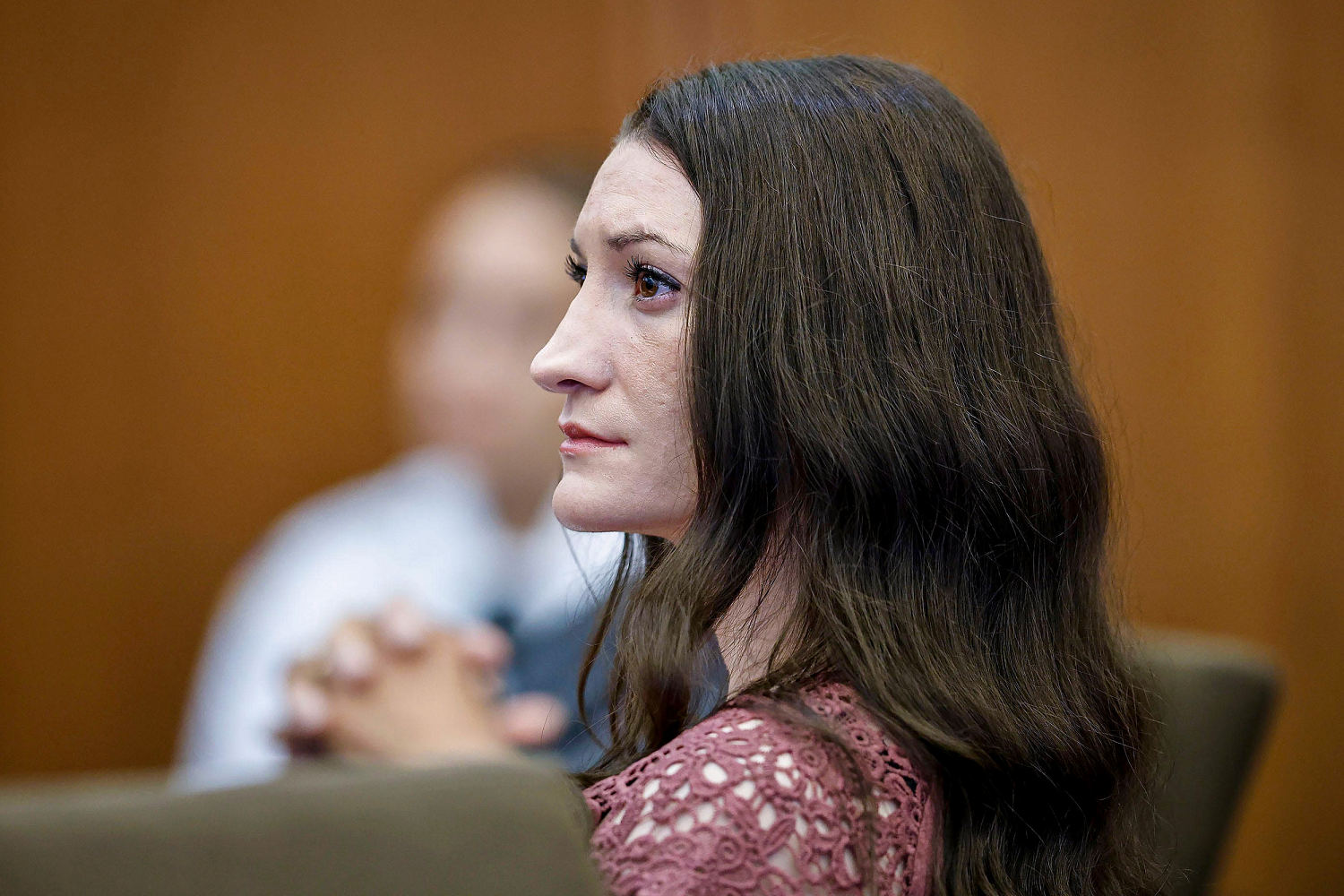
Michael Desronvil, the sole holdout juror in the mistrial of Lindsay Clancy, who was accused of strangling her three children, says he has faced harassment and fears for his family’s safety since the trial concluded in September. Desronvil, in his first media appearance on Fox & Friends, reiterated that he did not have reasonable doubt regarding Clancy’s guilt, believing she acted methodically. Other jurors have described Desronvil as unwilling to negotiate and hostile during deliberations, claims his attorney denies. The jury was deadlocked, with eleven jurors leaning toward an acquittal based on an insanity defense of postpartum psychosis, while Desronvil maintained Clancy had planned the murders. The case garnered significant public attention, with widespread support for Clancy, and a recording from her husband, Patrick Clancy, reportedly made an impression on Desronvil.
Desronvil stated his life changed dramatically after becoming the holdout juror, and that his fiancée required a police escort due to the fallout. He declined to share specific evidence supporting his belief in Clancy’s guilt but emphasized what he perceived as the methodical nature of the killings. Clancy’s attorney argued she was experiencing postpartum psychosis at the time of the deaths, rendering her unable to control her actions. Prosecutors countered that Clancy was not in psychosis and had premeditated the strangulations.
Left-leaning and right-leaning outlets both covered Desronvil’s claims of harassment, but differed in their emphasis. Left-leaning coverage focused on the harassment itself and Desronvil’s description of the deliberation room dynamics, while right-leaning coverage highlighted his insistence on Clancy’s guilt and his belief that she acted intentionally.
Our reading is that the public fallout from the Clancy trial continues to be significant, extending beyond the courtroom to impact the life of the holdout juror. The differing coverage of Desronvil’s claims, with left-leaning outlets focusing on harassment and right-leaning outlets emphasizing his belief in Clancy’s guilt, highlights the deeply divisive nature of the case and the strong emotions it evoked. The article suggests a tension between acknowledging the trauma experienced by all parties involved and scrutinizing the reasoning behind the jury’s deadlock.
Read the original coverage
💬 Comments
📜 Comment Policy