Green Bank Telescope Captures Artemis II Capsule Near Moon
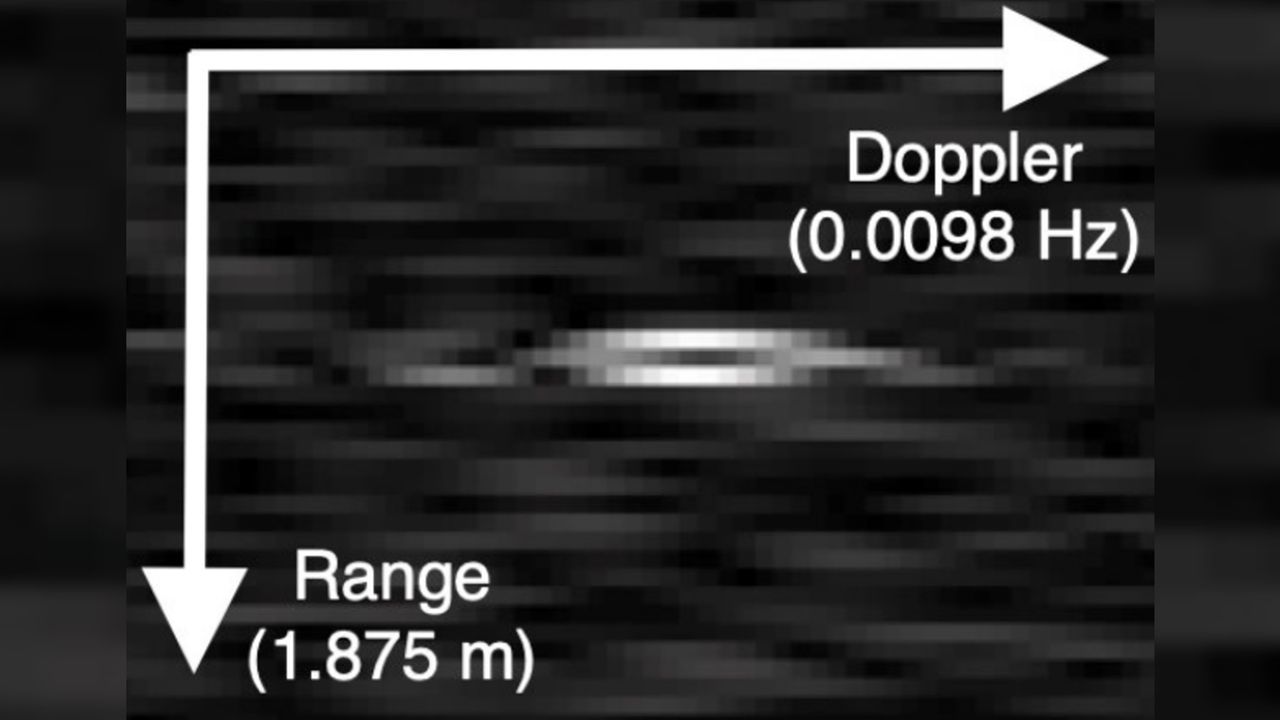
A recent image captured by the Green Bank Telescope in West Virginia has provided a rare glimpse of NASA's Artemis II mission. The photograph shows the Orion capsule circling the moon from a distance of more than 200,000 miles away. This achievement marks it as one of the farthest photos of humans ever taken from Earth.
The image itself is described as blurry due to the immense distance involved. Despite the lack of sharp detail, the capture serves as a significant milestone for space observation. It demonstrates the capability of ground-based instruments to track and photograph spacecraft during deep-space missions.
This event highlights the ongoing efforts in lunar exploration. The Artemis II mission is part of NASA's broader strategy to return humans to the moon. The successful tracking of the Orion capsule from such a vast distance underscores the technological advancements in both space travel and terrestrial observation tools.
The Green Bank Telescope, located in West Virginia, played a crucial role in this documentation. Its ability to capture such distant objects contributes valuable data to the scientific community. Researchers can use this information to refine tracking methods for future missions.
While the image may not offer high-resolution details of the capsule or its occupants, it stands as a testament to human presence beyond low Earth orbit. The distance of over 200,000 miles places this photo in a unique category of astronomical photography. It joins the ranks of other long-distance images that document human activity in space.
This capture does not provide new scientific data about the moon itself but rather focuses on the spacecraft's position and trajectory. It serves as a visual record of the Artemis II mission's progress. The image will likely be studied for its technical achievement rather than its aesthetic qualities.
As NASA continues to prepare for future lunar landings, images like this one help maintain public interest and support for space exploration programs. They remind observers of the scale of these missions and the engineering feats required to achieve them.
💬 Comments
📜 Comment Policy