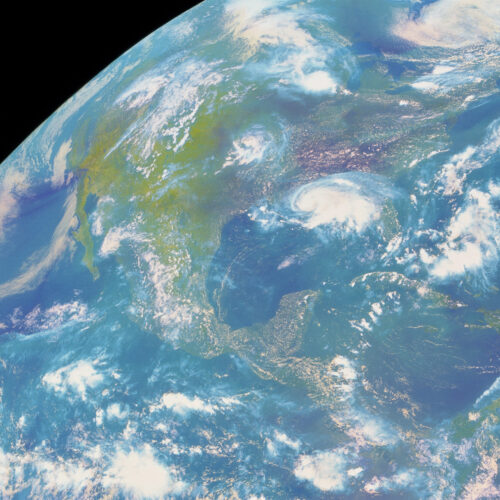
Google recently released version 3 of its WeatherNext AI weather model, enhancing forecast accuracy by incorporating satellite weather data and increasing forecast frequency. The update addresses limitations of relying solely on reanalysis data, which combines various weather measurements into global snapshots.
Google is a major player in the AI weather forecast model space. These models offer performance comparable to traditional methods while requiring less computing power, allowing for more frequent updates. The primary change in WeatherNext 3 is the inclusion of live satellite weather data, reducing the lag time between current conditions and forecast generation. Details of the update are available in a white paper.
Many weather models utilize “reanalysis,” a comprehensive model that creates a consistent global view of the atmosphere. Reanalyses combine all available weather data, estimating conditions in areas lacking direct measurements. While nearly all AI weather models have previously relied entirely on reanalysis data for training, this approach can result in lost information from raw data sources and is typically updated every six hours. Traditional models often supplement reanalysis with other raw data to better represent the current atmospheric state.
WeatherNext 3 now incorporates weather satellite data, enabling hourly forecast updates. The model also features increased spatial resolution and a larger machine-learning component, prompting process adjustments to manage computational demands. Additionally, a separate machine-learning model trained on satellite-based precipitation estimates has been added, providing multiple precipitation forecasts.
Read the original coverage
💬 Comments
📜 Comment Policy