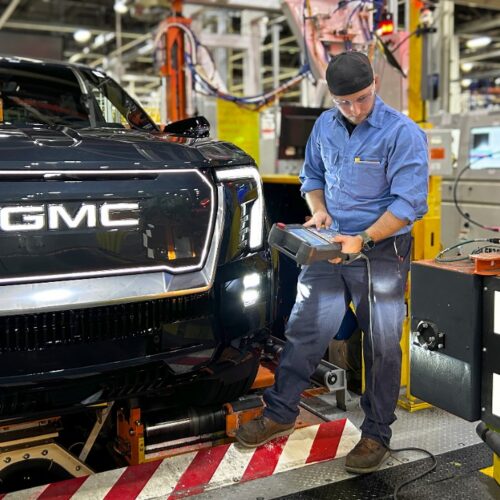
General Motors has installed 50 collaborative robots at its flagship manufacturing facility in Michigan, a move that coincides with significant reductions in the plant's workforce. The implementation of this automation technology at the location known as Factory Zero is reported to have resulted in the elimination of more than 1,000 jobs. This development has drawn attention from labor organizations and industry observers regarding the increasing integration of robotics in automotive production.
The installation of these robots represents a strategic shift in manufacturing processes at GM's primary US facility. According to reports, the introduction of the automated systems is aimed at improving operational efficiency and reducing costs. The facility, which serves as a central hub for the company's electric vehicle (EV) production efforts, has undergone substantial changes in its labor composition. Prior to the robot installation, GM had laid off 1,300 workers from its workforce. Subsequently, reports indicate that the company replaced approximately 1,000 remaining workers with the newly deployed robotic units.
The United Auto Workers (UAW) union has responded to these developments by warning about the potential for further automation across the industry. Union representatives have expressed concerns regarding the future of manufacturing jobs, describing a scenario where factories operate with minimal human presence, often referred to as "dark factories." The union's stance highlights the tension between corporate efforts to streamline operations through technology and the employment stability of autoworkers.
Critics of the automation strategy argue that the rapid replacement of human labor with machines poses risks to the workforce. These critics charge that the focus on cost-cutting measures may undermine the traditional role of workers in the automotive sector. However, General Motors maintains that the adoption of collaborative robots is necessary to remain competitive in the evolving electric vehicle market. The company states that these robots are designed to work alongside human employees, handling repetitive or dangerous tasks while allowing workers to focus on more complex responsibilities.
The situation at Factory Zero reflects broader trends within the global automotive industry, where manufacturers are increasingly turning to automation to meet production targets and manage labor costs. As GM continues to expand its EV lineup, the balance between technological advancement and workforce management remains a critical issue for stakeholders, including investors, employees, and policymakers. The outcome of this transition will likely influence future decisions regarding labor relations and manufacturing strategies across the sector.
Current status: General Motors continues to operate Factory Zero with the new robotic infrastructure in place. The company has not issued further immediate statements regarding additional automation plans at other facilities, though the UAW remains vigilant in monitoring industry-wide trends. The long-term impact on employment levels and production efficiency is yet to be fully assessed by independent analysts.
Read the original coverage
💬 Comments
📜 Comment Policy