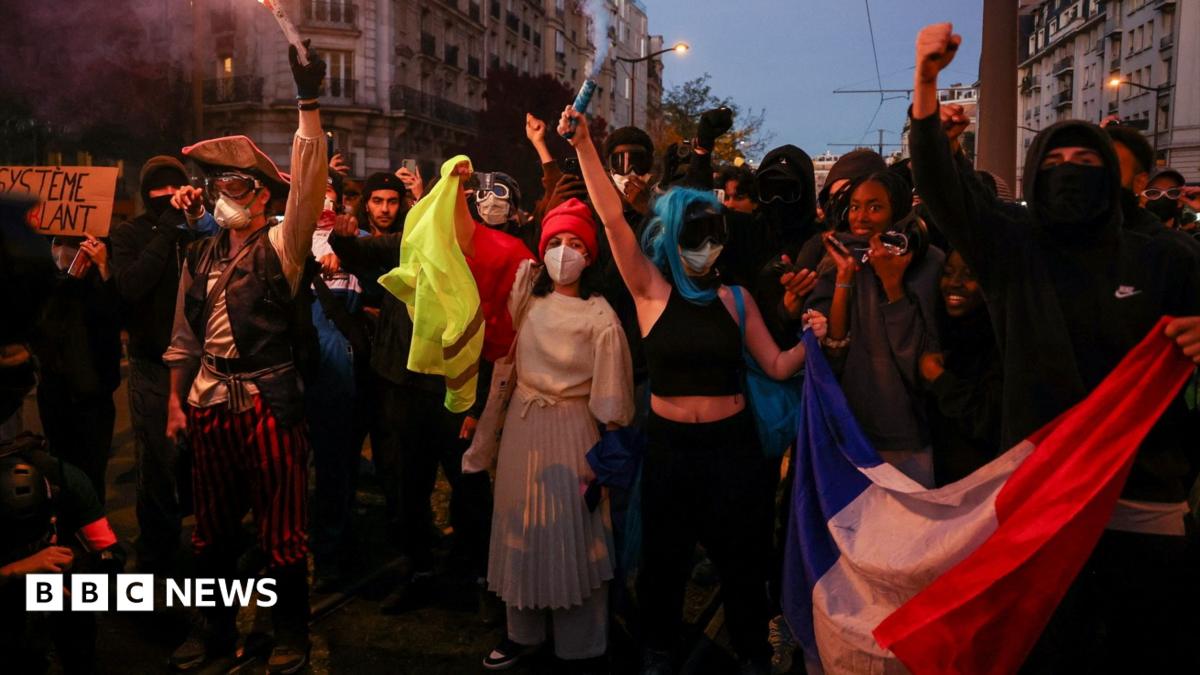
Around 320,000 people demonstrated across France on Saturday against the rising cost of living and perceived failures in public services, with protests also occurring in Albania, Germany, and Italy. The demonstrations in France, a third wave of nationwide action, led to clashes with police in Paris, who deployed tear gas and made at least 290 arrests. The interior ministry estimated participation at 320,000, while organizers claimed nearly half a million took part. Authorities had prepared extensively for the protests following recent violence and looting. The BBC reports youth are taking to the streets across Europe, signaling broader discontent. While most demonstrations were largely peaceful, tensions flared at the end of marches in some cities.
These protests follow a pattern of increasing public dissatisfaction, though the immediate catalyst for the latest wave remains focused on economic pressures and public service concerns. The scale of the demonstrations, with approximately 70,000 protesters in Paris alone, highlights the widespread nature of the discontent. The largely peaceful nature of most protests suggests a desire for dialogue, though the clashes with police indicate a potential for escalation.
The protests are occurring against a backdrop of similar demonstrations in other European nations, suggesting a continent-wide trend of youth-led activism responding to economic and social challenges. The specific grievances and demands may vary by country, but the underlying theme of dissatisfaction with the status quo appears consistent. The long-term impact of these protests, and whether they will translate into significant policy changes, remains to be seen.
Our reading is that the protests across Europe, and particularly in France, represent a significant and potentially escalating wave of discontent. The differing estimates of participation numbers, while not uncommon in protest reporting, suggest a degree of politicization in the framing of the events. The spread of demonstrations to multiple countries indicates a shared underlying frustration, even if the specific triggers vary, and the presence of youth as a driving force suggests a generational shift in political engagement.
Read the original coverage
💬 Comments
📜 Comment Policy