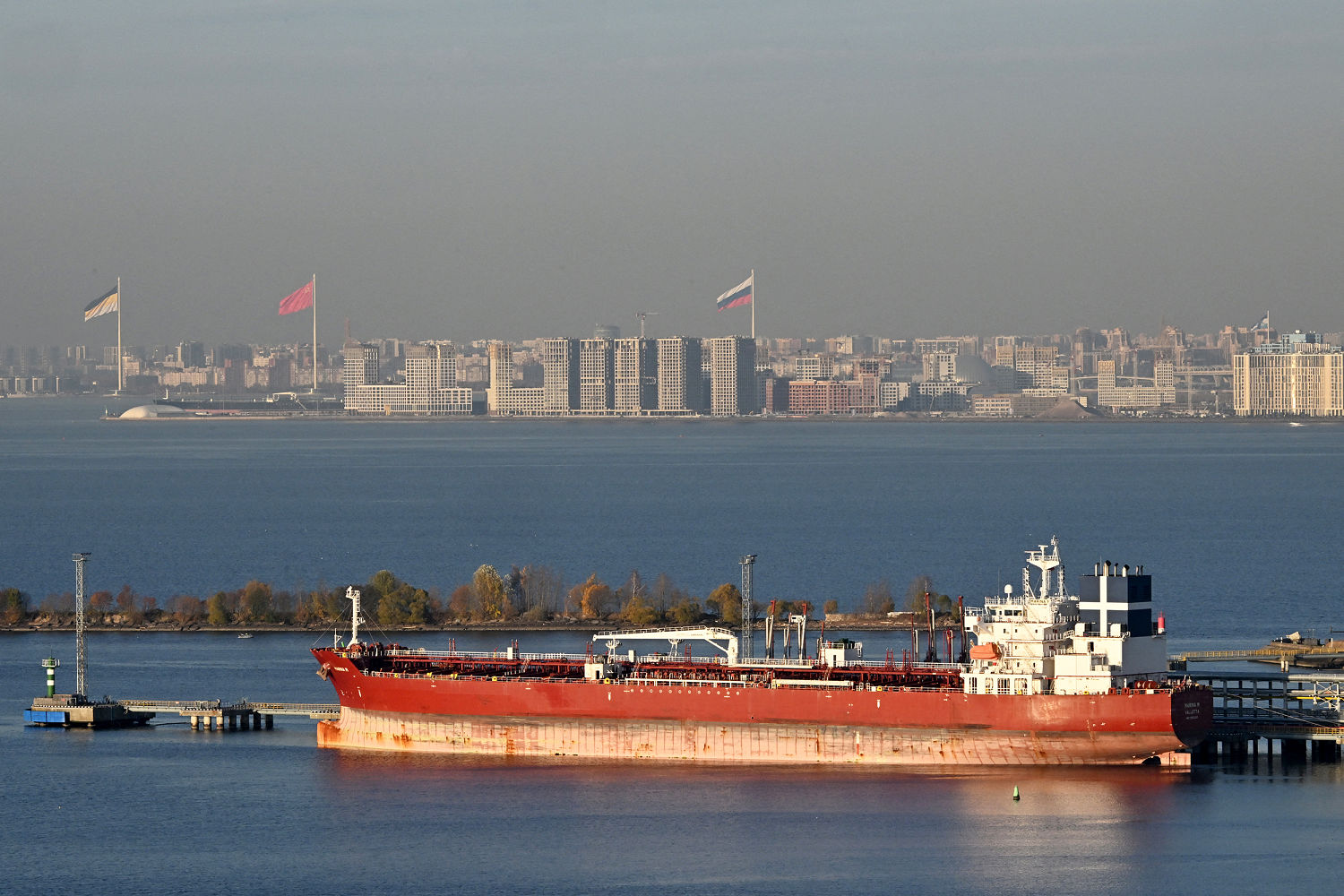
A Malta-flagged tanker, the “Agioi Fanendes,” departed from Russia carrying approximately 298,000 barrels of diesel fuel and is expected to arrive in New York on Tuesday, November 1, just after the midterm elections. This marks the first Russian diesel shipment to the U.S. since President Donald Trump agreed to a deal with Russian President Vladimir Putin to increase fuel supply to the global market, following the easing of some sanctions on Russia. The Kremlin confirmed the shipment’s departure. The move, which reverses years of American policy, comes as the Republican party faces potential losses in the midterm elections, driven in part by rising energy prices.
Energy Aspects confirmed the shipment originated from Russia’s Primorsk port and is destined for New York. While the volume represents less than a full day’s worth of U.S. diesel demand (approximately 3.8 million barrels per day), the shipment follows a period of tightened global distillate markets. The average price of diesel has increased 78% since the start of the year, rising from $3.55 to $6.32 per gallon. Brent crude oil is currently trading around $114 per barrel.
Kremlin spokesman Dmitry Peskov stated Friday, “I believe there have already been reports from the Ministry of Energy that the first tanker has departed for its destinations and that further shipments will continue on a regular basis.” Analysts at Energy Aspects anticipate a limited impact from this single cargo. KPMG chief economist Diane Swonk noted in August that the high cost of diesel impacts a broad range of economic sectors, including farming, food transportation, and general shipping costs.
Newsmax reported the tanker carries 40,000 metric tons of Russian diesel, a figure not corroborated by NBC News, which reported 298,000 barrels. While both sources agree on the shipment’s destination and the connection to the Trump-Putin agreement, the discrepancy in volume exists.
Our reading is that the arrival of Russian diesel, timed shortly after the midterm elections, represents a calculated move by the Trump administration to address rising energy prices, even if it means reversing established policy. The discrepancy in reported shipment volumes between Newsmax and NBC News suggests a possible attempt to downplay the scale of the transaction, while the emphasis on the Trump-Putin agreement points to a deliberate effort to highlight the administration’s foreign policy decisions. We find it notable that the shipment occurred despite a period of tightened global distillate markets.
Read the original coverage
💬 Comments
📜 Comment Policy