FIFA World Cup System Flaw Allowed TV Stream Control
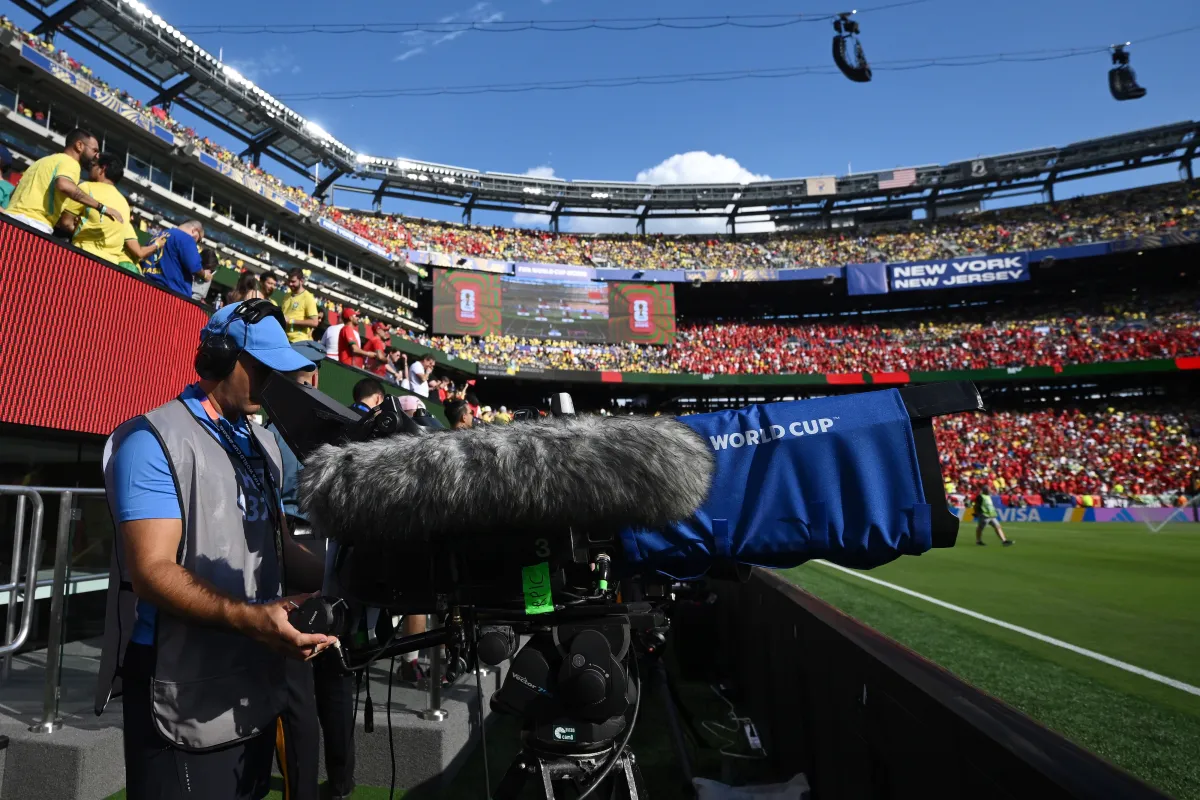
A significant security vulnerability has been identified within FIFA's internal digital infrastructure, revealing critical weaknesses in the organization's online platforms. According to a security researcher, this flaw granted unauthorized access to several sensitive internal systems. Most alarmingly, the breach potentially allowed an individual to take control of the television broadcast stream for every match during the World Cup.
The discovery highlights severe gaps in the cybersecurity measures protecting one of the world's most watched sporting events. The researcher stated that the vulnerability was not merely a superficial issue but provided deep access to core operational systems. This level of access could have enabled malicious actors to manipulate live video feeds, posing a substantial risk to the integrity of the tournament's global broadcast.
While the specific technical details of the exploit remain under review by security experts, the implications are far-reaching. Control over TV streams would allow for the insertion of unauthorized content or the disruption of broadcasts, affecting millions of viewers worldwide. The incident underscores the growing challenges faced by large organizations in securing their digital assets against sophisticated cyber threats.
FIFA has yet to issue a comprehensive public statement regarding the full extent of the breach or the steps taken to remediate the vulnerability. However, the revelation serves as a stark reminder of the importance of rigorous security protocols in high-profile international events. As digital infrastructure becomes increasingly central to sports broadcasting, organizations must prioritize robust cybersecurity frameworks to prevent similar incidents in the future.
The researcher's findings have sparked discussions within the tech and sports communities about the need for stricter oversight and regular security audits. Experts suggest that such vulnerabilities could be exploited by various actors, from hacktivists to state-sponsored groups, making proactive defense mechanisms essential. The incident may prompt FIFA and other sporting bodies to reevaluate their approach to digital security, ensuring that future tournaments are protected against potential cyber intrusions.
💬 Comments
📜 Comment Policy