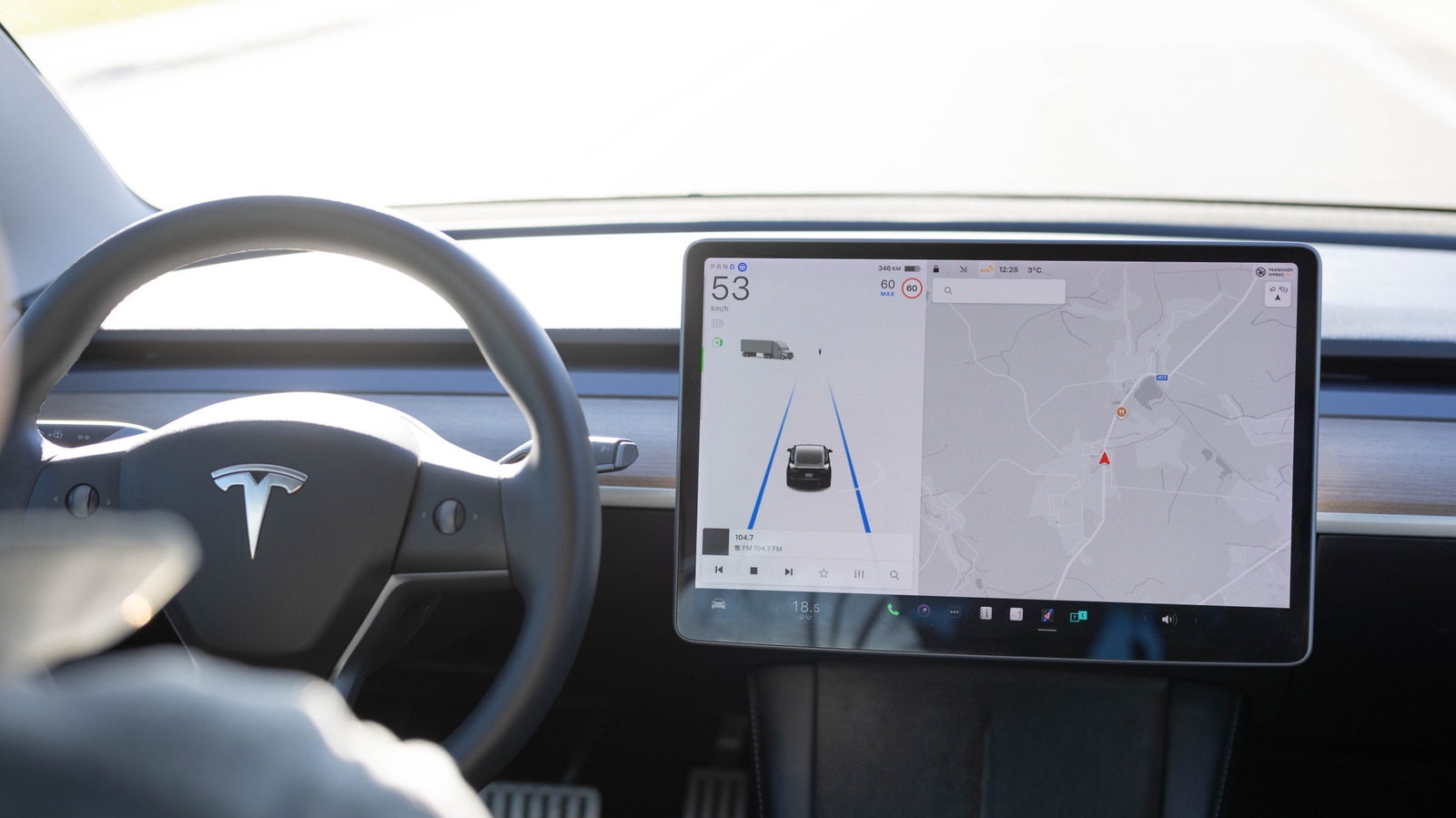
A fatal crash involving a Tesla vehicle equipped with an automated driving assistance system has occurred in Katy, Texas, resulting in the death of one woman. The incident has drawn attention to the complexities surrounding the activation and operation of advanced driver-assistance technologies. Whether the Autopilot system was truly active, overridden, or malfunctioning likely won't be resolved until investigators finish combing through the vehicle's data logs.
The crash took place in Katy, a suburb located west of Houston. According to reports from Engadget, the Tesla involved had an "automated driving assistance system" engaged at the time of the collision with a home. The severity of the impact led to the death of one female occupant or resident, though specific details regarding the identity of the deceased or the exact circumstances leading up to the crash remain under investigation.
Tesla has responded to the narrative surrounding the incident by pushing back against claims regarding the Autopilot system's role. The company's stance suggests a disagreement with how the event is being characterized in media reports, particularly concerning the functionality of its driver-assistance features. However, definitive conclusions about the technical state of the vehicle at the moment of impact are pending official findings.
Investigators are currently analyzing the data logs from the Tesla to determine the precise status of the Autopilot system. This data will be crucial in establishing whether the system was actively controlling the vehicle, if a driver had overridden the automation, or if a technical malfunction occurred. Until this forensic analysis is complete, the exact sequence of events and the level of human versus automated control remain unclear.
The incident underscores the ongoing scrutiny faced by automakers deploying advanced driving technologies. While Tesla has attempted to clarify its position on the matter, the lack of immediate clarity from official investigations leaves room for varying interpretations of the event's causes. The focus now shifts entirely to the technical evidence gathered from the vehicle's systems to provide a factual account of what transpired during the crash.
As the investigation continues, stakeholders await the release of detailed findings that will clarify the interaction between the driver and the automated system. The outcome of this inquiry may have implications for how such crashes are understood and regulated in the future, particularly regarding the transparency of data logs and the definition of liability in semi-autonomous driving scenarios.
Read the original coverage
💬 Comments
📜 Comment Policy