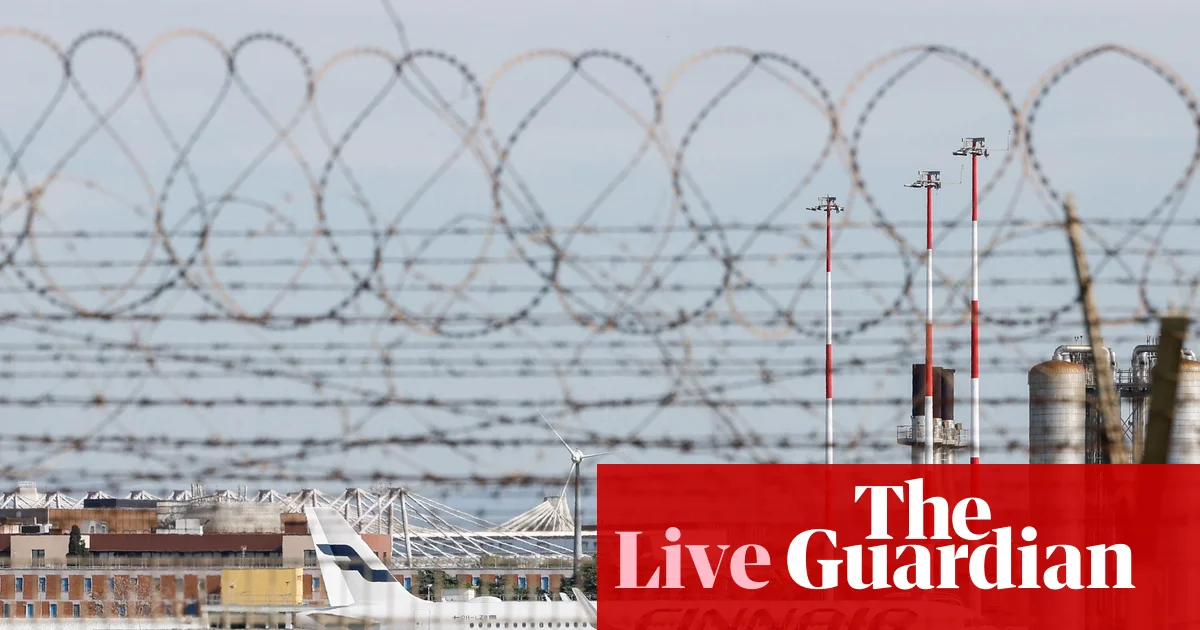
At least 35 flights across Europe have been affected by false bomb threats since Monday, with 27 reported on Thursday alone, prompting emergency landings, military escorts, and widespread disruption. Hungary scrambled fighter jets three times Thursday morning to escort civilian flights after receiving bomb threat alerts, including WizzAir flight W64328 from Brussels to Sofia, and flights from Prague to Cyprus and Bucharest. Prague Airport confirmed nine flights were affected, while authorities in Rome, Madrid, and London Stansted also received threats. No explosives have been found on any of the aircraft, and a British official described the threats as “malicious” hoaxes. The International Civil Aviation Organization (ICAO) reports 16 countries have been affected, either as the origin, destination, or an unscheduled stop for the flights.
Authorities received the alerts via email, often including specific flight details such as flight numbers and arrival times. The close timing of threats received in Madrid, three in under 20 minutes, suggests a coordinated or automated campaign. If a threat is considered credible, pilots are instructed to prepare to land within 30 minutes, followed by inspection by bomb-disposal teams. While the risk posed by each individual threat is low, the increasing number of diversions is placing additional pressure on the European aviation system, with each diversion costing millions of euros.
No government has identified those responsible for the threats, and no group or individual has claimed responsibility. Civil aviation authorities have deployed planes and helicopters near affected airports, including Prague and Bucharest, to monitor the situation. Two flights en route to Sofia from London Stansted and Brussels landed safely after receiving alerts on Friday. At least 17 flights were reportedly disrupted Thursday, but authorities are providing less detail about false alerts, making it difficult to track all affected planes.
Our reading is that the current wave of false bomb threats represents a significant, coordinated disruption to European air travel. The timing of multiple threats, particularly in Madrid, and the detail included in the email alerts suggest a deliberate campaign designed to cause maximum disruption and strain on aviation resources. While the threats themselves appear to be hoaxes, the scale of the incidents is noteworthy and potentially linked to the broader context of unrest across the continent.
Read the original coverage
💬 Comments
📜 Comment Policy