Researchers have significantly expanded the understanding of how human transcription factors bind to DNA, identifying over 100 new motifs. This discovery, published in *Nature* on August 5, 2026, aims to improve the characterization of these crucial regulatory proteins.
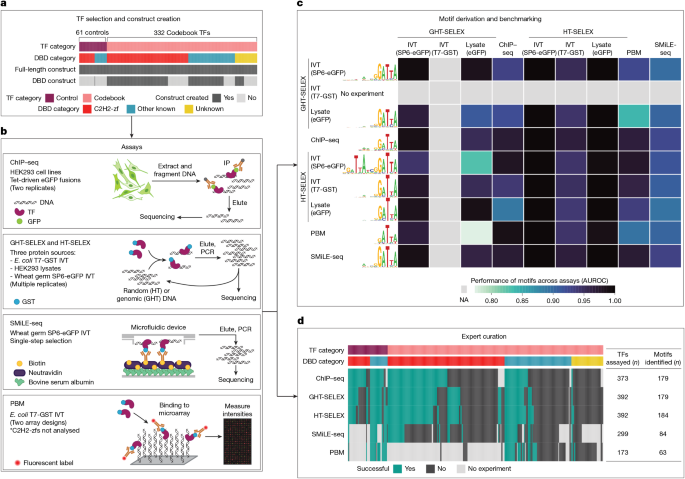
The study, detailed in a paper with DOI 10.1038/s41586-026-10798-9, utilized a panel of assays designed to analyze different aspects of DNA sequence specificity. These assays revealed the presence of more than 100 previously unknown motifs – specific patterns in DNA sequences – that are recognized by human transcription factors.
The purpose of this research is to aid in the characterization of putative human transcription factors. Transcription factors play a vital role in regulating gene expression, controlling which genes are turned on or off within cells. A better understanding of how these factors bind to DNA is crucial for deciphering the complex mechanisms underlying cellular function and disease.
The findings provide a more comprehensive “codebook” for interpreting the interactions between transcription factors and the genome. This expanded knowledge base will be valuable for future research into gene regulation, potentially leading to advancements in fields like personalized medicine and drug development.
We don't rate truth. We strip the spin and show you which perspectives covered the story. You decide.
Read the original coverage
💬 Comments
📜 Comment Policy