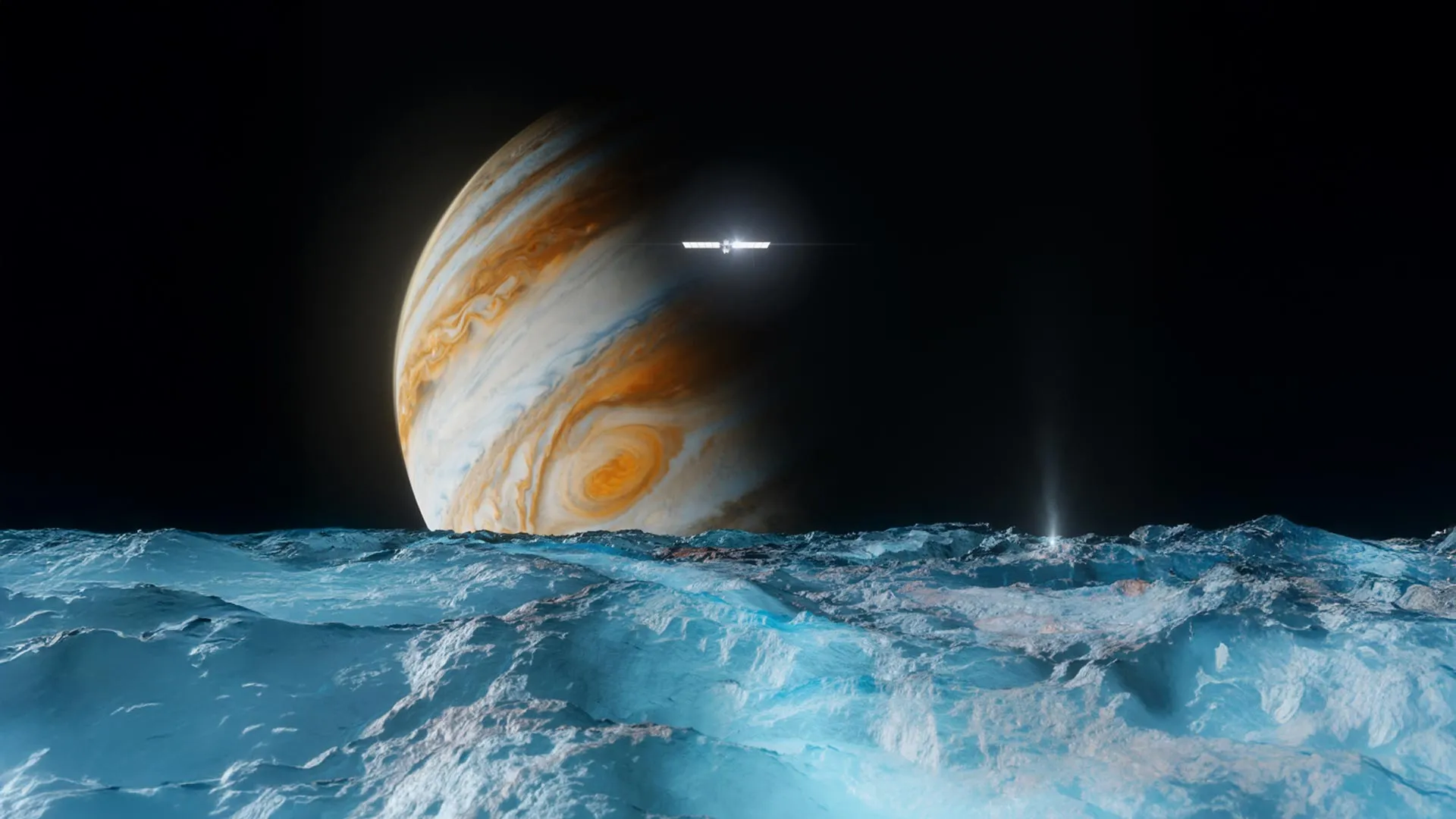
Scientists have determined that accessing Europa’s subsurface ocean for study may be more difficult than previously believed. New simulations indicate turbulent water rising through cracks in the icy moon’s surface would quickly freeze and clog those fractures, potentially within hours.
Europa, one of Jupiter's moons, has long been considered a promising location in the search for habitable conditions due to its hidden ocean. Researchers had theorized that water from this deep ocean might ascend through fissures in the ice shell, creating shallow reservoirs accessible to future spacecraft. This would allow scientists to study the ocean’s composition without needing to drill through miles of ice.
The new simulations challenge this optimistic outlook. According to the source, turbulent water rising through these cracks would rapidly lose heat. As it cools, the water would form ice crystals which then obstruct the fractures. The process could occur surprisingly quickly—sometimes within hours—effectively blocking access to the ocean below.
The research suggests that the path to studying Europa’s potentially habitable ocean is not as straightforward as once hoped. While the moon remains a key target in the search for extraterrestrial life, accessing its subsurface water will likely require overcoming significant engineering challenges.
We don't rate truth. We strip the spin and show you which perspectives covered the story. You decide.
Read the original coverage
💬 Comments
📜 Comment Policy